Sucralose vs stevia: sweetness, safety and which to choose
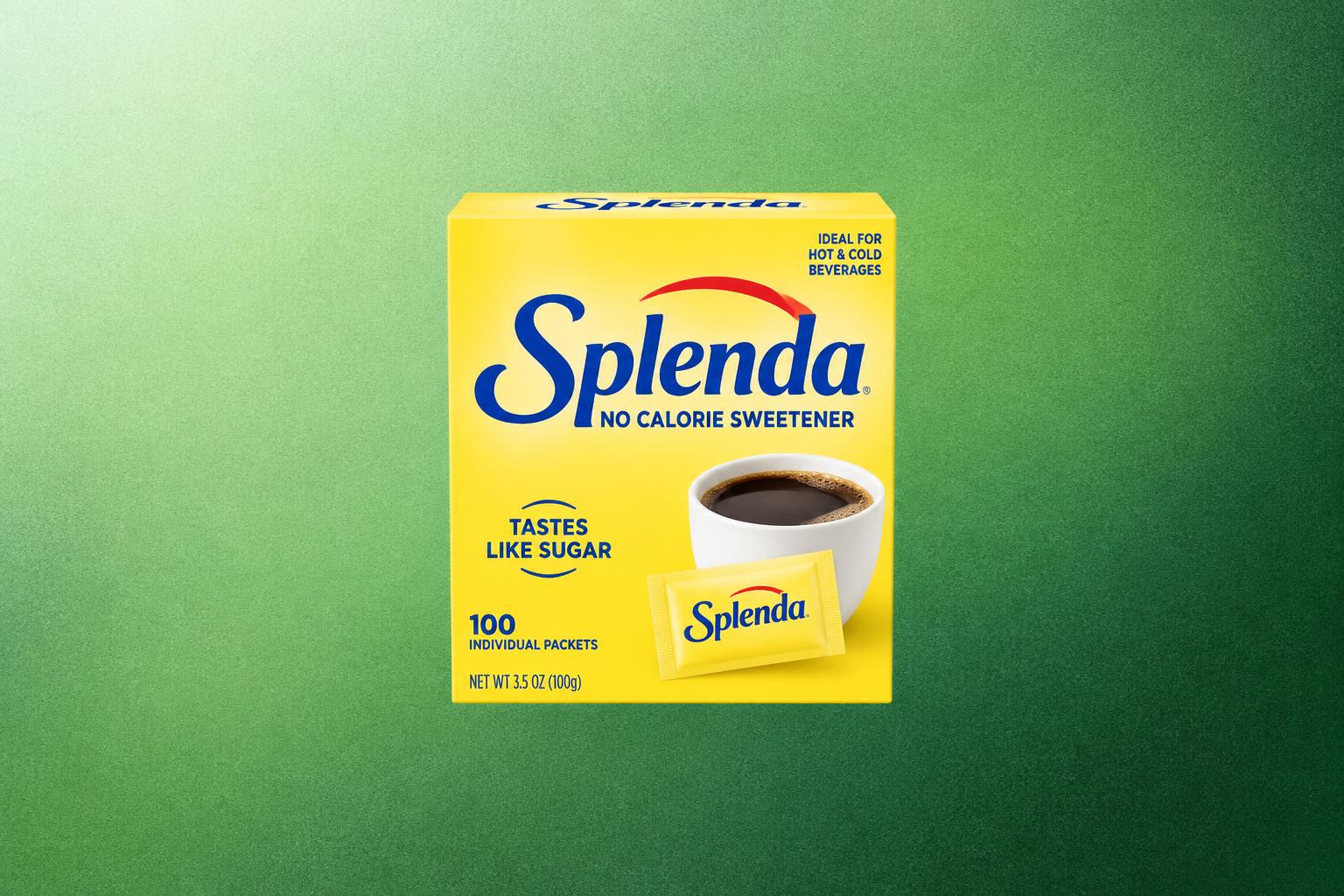
Sucralose and stevia are both zero-calorie, high-intensity sweeteners, but they come from different places: sucralose is made from sugar in a lab, while stevia sweeteners are purified extracts of the stevia plant. Both are allowed in US food at normal intakes. Sucralose is sweeter, and many people find it tastes closer to sugar; stevia is plant-based but can leave an aftertaste. Which one fits you depends less on safety headlines and more on taste, what else is in the packet, and how much you use.

Find the controversial ingredients already in your kitchen.
Scan packaged foods at home, understand ingredients, and find healthier alternatives in seconds.




 Scan with Osana
Sucralose vs stevia at a glance
The biggest differences are origin, sweetness and regulatory route, not calories. Both add essentially no calories at the amounts used.
| Sucralose | Stevia (steviol glycosides) | |
|---|---|---|
| Origin | Made from sugar (chlorinated sucrose) | Purified from stevia leaves |
| Sweetness vs sugar | About 600 times | About 200 to 400 times |
| US status | Approved food additive (1998, general use 1999) | High-purity extracts: GRAS |
| Acceptable daily intake | 5 mg per kg of body weight | 4 mg per kg (as steviol equivalents) |
| Common brands | Splenda | Truvia, PureVia |
An acceptable daily intake is the amount considered safe to eat every day over a lifetime, with a safety margin built in. Our guide to artificial sweeteners in food explains how these limits are set.
What is actually in the packet
Most of a sweetener packet is not the sweetener itself. Because sucralose and stevia are so intense, brands mix tiny amounts with a bulking ingredient so a packet pours like sugar.
That matters for two reasons. Dextrose and maltodextrin are carbohydrates, so a packet is "zero calorie" only because the serving is tiny; see maltodextrin in food and dextrose vs sugar. Erythritol is a sugar alcohol with its own research questions, covered in erythritol vs stevia.
Taste, cooking and everyday use
Choose by how you use it: sucralose for a sugar-like taste, stevia if you prefer a plant-based option.
Sucralose
- A taste many people find close to sugar
- Common in diet sodas, yogurts and protein drinks
- Synthetic, made from sugar
Stevia
- From a plant, purified for food use
- Some people notice a bitter aftertaste
- Often blended with erythritol or monk fruit
If you are weighing stevia against other plant-based options, our stevia vs monk fruit guide compares the two, and sucralose vs aspartame covers the other common diet-soda sweetener.
Not all stevia is the same: the FDA treats high-purity steviol glycosides as GRAS, but it does not consider stevia leaf or crude stevia extracts GRAS and does not allow their import for use as sweeteners (FDA). The stevia in US grocery products is the purified kind.
Which is better for you?
Neither is a health food, and the WHO advises against relying on either one to lose weight. Its 2023 guideline, a conditional recommendation, advises not using non-sugar sweeteners, including sucralose and stevia, for weight control (WHO, May 2023). For everyday use within normal amounts, US regulators allow both. If you manage diabetes or another health condition, ask your doctor or a registered dietitian which option suits you.
- Read past the front of the box
"Sweetened with stevia" can still mean erythritol is the main ingredient.
- Check the order of the list
The first ingredient tells you what most of the product is.
- Watch the dose, not just the type
Several diet drinks and bars a day add up faster than one packet in coffee.
Frequently asked questions
Is sucralose worse than stevia?
US regulators allow both at similar acceptable daily intakes. Stevia appeals to people who prefer a plant source, while sucralose usually tastes closer to sugar. The WHO advises against using either for weight control.
Is Splenda the same as stevia?
No. Splenda's sweetener is sucralose, made from sugar. Stevia sweeteners such as Truvia and PureVia use purified extracts of the stevia plant.
Does stevia have calories?
Purified stevia has essentially none at the amounts used, but packets and blends add bulking ingredients such as erythritol or dextrose, so check the label.
Conclusion
Sucralose and stevia are both allowed in US food at normal intakes, both are far sweeter than sugar, and both are usually sold mixed with fillers like dextrose, maltodextrin or erythritol. Pick sucralose if you want a taste closer to sugar, stevia if you prefer a plant-derived option, and read the ingredient order either way. The WHO conditionally advises against using either one for weight control.
If you want to see which sweeteners and fillers are in a product before you buy it, try Osana on your next grocery run.
Sources
- FDA, "Aspartame and Other Sweeteners in Food", accessed October 2026.
- Splenda and Truvia packet labels, checked October 2026.
- WHO, "WHO advises not to use non-sugar sweeteners for weight control in newly released guideline", May 15, 2023.