High Protein Breakfast Foods: 11 Picks Ranked by Protein
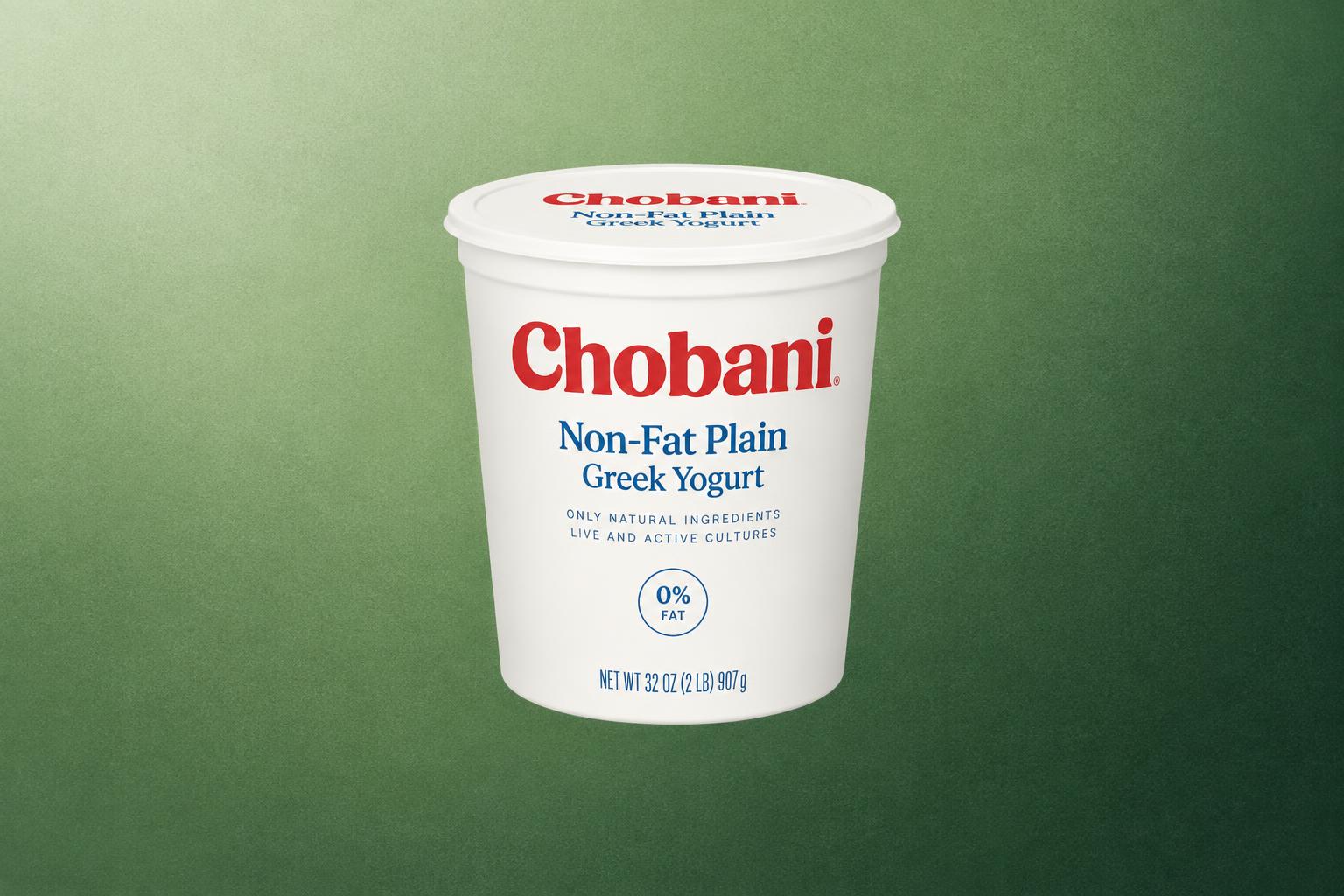
The best high protein breakfast foods are eggs, plain Greek yogurt, cottage cheese, firm tofu and smoked salmon. Pair one of them with a fiber source like oats, chia seeds or whole-wheat toast, since most of these proteins bring no fiber of their own. Every food value below comes from USDA FoodData Central, or the brand label for almonds, calculated per typical serving so you can compare a yogurt cup with a slice of salmon. This is a research roundup, not a kitchen test. For protein ideas beyond the morning, our high protein foods list covers lunch and dinner staples too.

Find the controversial ingredients already in your kitchen.
Scan packaged foods at home, understand ingredients, and find healthier alternatives in seconds.




 Scan with Osana
How much protein should breakfast have?
No official rule sets a breakfast number. The Dietary Guidelines for Americans 2025-2030 give a daily range of 1.2 to 1.6 g of protein per kilogram of body weight, and spreading that total across your meals, breakfast included, is a practical way to reach it.
Here is what that range means in plain arithmetic. A 150 lb woman weighs about 68 kg, so 1.2 to 1.6 g per kg works out to roughly 82 to 109 g of protein a day. Split evenly over three meals, that is about 27 to 36 g per meal. Treat that as math, not a target: the guidelines describe a daily range, not a per-meal minimum.
Protein has also been studied over the long run. In the Nurses' Health Study, which followed 48,762 women who were under 60 in 1984, those who ate more protein in midlife, especially plant protein, had greater odds of healthy aging (Ardisson Korat and colleagues, American Journal of Clinical Nutrition, 2024).
That finding is an association, not proof that protein caused the difference. Participants were mostly nurses who reported their diets on food questionnaires, and the study looked at overall intake, not at breakfast or meal timing.
High protein breakfast foods ranked by protein
Per typical serving, firm tofu tops the list at 21.8 g of protein, followed by smoked salmon, plain Greek yogurt and cottage cheese. Servings are not equal, though: half a cup of tofu weighs 126 g and a large egg weighs 50 g, so read the portion next to each number.
Eggs
One large egg has 6.3 g of protein, 72 calories and 71 mg of sodium, according to USDA data. Two eggs bring 12.6 g, so eggs work best as part of the plate rather than the whole plate. They cook fast and are easy to batch ahead.
Plain Greek yogurt
A 5.3 oz cup of Great Value Plain Nonfat Greek Yogurt has 15 g of protein, 90 calories and 0 g of added sugar, per its FoodData Central label. Buying plain instead of flavored lets you add sweetness yourself with fruit. It's also an easy high protein breakfast without eggs, ready to eat straight from the fridge.
Cottage cheese
Half a cup of 2% cottage cheese delivers 11.8 g of protein for 92 calories, per USDA. The trade-off is 348 mg of sodium per half cup, roughly 15% of the 2,300 mg daily limit. If it's a daily habit, compare the sodium line on a few tubs; our guide on how to spot hidden sodium on food labels shows where to look.
Firm tofu
Half a cup of firm tofu made with calcium sulfate has 21.8 g of protein, 2.9 g of fiber and only 18 mg of sodium, per USDA. That makes it the strongest choice for a high protein vegetarian breakfast on this list. Crumble it into a hot pan with vegetables and it scrambles much like eggs.
Smoked salmon
Three ounces of smoked chinook salmon gives you 15.5 g of protein in 100 calories, per USDA. It's also the saltiest food here, at 571 mg of sodium, about a quarter of the daily limit. Keep the portion to about 3 oz and go lighter on salt for the rest of the day.
Milk
A cup of 2% milk adds 8.1 g of protein and 115 mg of sodium, per USDA. Use it instead of water in oats and you add protein without adding a step.
Peanut butter and almonds
Two tablespoons of unsalted smooth peanut butter have 7.1 g of protein and 1.6 g of fiber, per USDA. One ounce of Blue Diamond whole natural almonds has 6 g of protein and 3 g of fiber.
Both are calorie-dense, at 191 and 160 calories per serving, so measure them instead of scooping. They also travel well, which is why they show up in our high protein snacks roundup.
Protein vs sodium: the trade-off at breakfast
Most foods on this list stay under 150 mg of sodium per serving. The two exceptions are smoked salmon and cottage cheese, the only ones above 300 mg per serving in USDA data.
Read the chart from the bottom right: that's where you get the most protein for the least sodium, and firm tofu and Greek yogurt both land there. Salmon and cottage cheese still earn a place, but their sodium adds up quickly once you combine foods.
The egg and cottage cheese plate below, for example, totals 636 mg of sodium, more than a quarter of the 2,300 mg daily limit for ages 14 and up.
Pair breakfast protein with a fiber source
Most of the protein rich breakfast foods on this list contain no fiber: eggs, Greek yogurt, cottage cheese, smoked salmon and milk all list 0 g in USDA data, so the fiber has to come from the side. The Dietary Guidelines 2025-2030 ask Americans to prioritize fiber-rich whole grains, and in the IFIC 2025 Food & Health Survey, 64% of adults said they try to consume fiber.
Rolled oats
- 4.1 g fiber
- 5.3 g protein
- 1/2 cup dry (40.5 g)
- Best in warm bowls and overnight oats
Chia seeds
- 9.8 g fiber
- 4.7 g protein
- 1 oz (28 g)
- Best stirred into yogurt or oats
Whole-wheat toast
- 1.9 g fiber
- 4.0 g protein
- 1 slice (32 g)
- Best under eggs, tofu or salmon
Chia brings the most fiber per serving, per USDA: one ounce has 9.8 g, more than twice the 4.1 g in half a cup of dry rolled oats. A slice of whole-wheat bread adds 1.9 g and suits savory plates. For more ways to add fiber, browse our high fiber foods list.
5 high protein breakfast ideas with real numbers
These five breakfasts land between 19.5 and 28.4 g of protein using only foods from this list. Each total is a simple sum of USDA values, not a lab test of the finished dish, so treat them as close estimates.
- Egg and cottage cheese plate: 28.4 g protein
Scramble 2 eggs and serve them with 1/2 cup of cottage cheese and a slice of whole-wheat toast. A few minutes on the stove, but it also carries 636 mg of sodium.
- Tofu scramble on toast: 25.8 g protein
Crumble 1/2 cup of firm tofu into a hot pan, season with pepper and herbs, and pile it on toast. Quick stovetop cooking, with 4.8 g of fiber and no eggs needed.
- Greek yogurt bowl: 25.7 g protein
Top a 5.3 oz cup of plain Greek yogurt with 1 oz of chia seeds and 1 oz of almonds. No cooking, and the most fiber of the five at 12.8 g.
- Peanut butter overnight oats: 20.5 g protein
Stir 1/2 cup of rolled oats into 1 cup of 2% milk, refrigerate overnight, then swirl in 2 tablespoons of peanut butter. Made the night before, with 5.7 g of fiber.
- Smoked salmon toast: 19.5 g protein
Lay 3 oz of smoked salmon on a slice of whole-wheat toast. Ready in moments, but at 717 mg of sodium, save it for days when your other meals are lighter on salt.
What to check on protein-labeled breakfast products
A big protein claim on the front of a box tells you little about the rest of the label. Protein waffles, cereals, bars and shakes can also carry added sugar, non-nutritive sweeteners or extra sodium, so flip the package before it goes in your cart.
Two benchmarks help. The Dietary Guidelines 2025-2030 say one meal should not exceed 10 g of added sugars, and they advise limiting non-nutritive sweeteners and petroleum-based dyes. Our explainer on added sugar vs total sugar shows which line to read, and our guide to healthy protein bars runs the same checks on bars.
Look for
- Added sugar that keeps the whole meal under 10 g
- A whole food near the top of the ingredients, like milk, eggs, oats or nuts
- A short ingredient list you recognize
- Some fiber, ideally from whole grains
Skip
- Sugar or syrup among the first few ingredients
- Sweeteners like sucralose, if you're cutting back on them
- Petroleum-based dyes such as Red 40
- A protein claim whose sodium line you haven't checked
Tip: Do the work the night before. Hard-boil a batch of eggs, or stir oats, milk and chia into a few jars and refrigerate them. On a rushed morning, breakfast becomes peel or stir, then add toast or fruit.
Frequently asked questions
What is the highest protein breakfast food?
Among the 11 foods here, it's firm tofu, with 21.8 g of protein per 1/2 cup in USDA data. Among animal foods, smoked salmon (15.5 g per 3 oz) and plain Greek yogurt (15 g per 5.3 oz cup) lead. Always compare the serving size too, since portions vary widely.
Are two eggs enough protein for breakfast?
On their own, they cover part of it: two large eggs have 12.6 g of protein, per USDA. Using the arithmetic above for a 150 lb woman, that covers roughly a third to a half of an even per-meal split of the Dietary Guidelines range. Adding 1/2 cup of cottage cheese brings the plate to 24.4 g, and a 5.3 oz cup of plain Greek yogurt brings it to 27.6 g.
Can a protein shake replace breakfast?
It can on a rushed morning, but read the label first. Some shakes add sugar or non-nutritive sweeteners, and the Dietary Guidelines cap added sugars at 10 g for one meal. Our guide to the healthiest protein shakes compares options, and pairing a shake with oats or fruit adds fiber, so check the fiber line on the shake too.
The bottom line
The best high protein breakfast is the one you'll actually make on a busy weekday. Start with one protein anchor, such as eggs, plain Greek yogurt, cottage cheese, firm tofu or smoked salmon, then add oats, chia or whole-wheat toast for fiber. Keep an eye on sodium with salmon and cottage cheese, and read the added-sugar line on anything sold as a "protein" product. With a little prep the night before, a breakfast with 20 g of protein or more takes only minutes.
Want a faster way to check added sugar and sodium on breakfast products? Scan the label with Osana before it goes in your cart.
Sources
- USDA and HHS, Dietary Guidelines for Americans 2025-2030, January 2026.
- IFIC, 2025 Food & Health Survey (online, 3,000 US adults, March 2025).
- Ardisson Korat AV et al., protein intake in midlife and healthy aging, American Journal of Clinical Nutrition, 2024.
- USDA FoodData Central.
- USDA FoodData Central, egg, whole, raw, large.
- USDA FoodData Central, Great Value Plain Nonfat Greek Yogurt.
- USDA FoodData Central, cottage cheese, lowfat, 2% milkfat.
- USDA FoodData Central, tofu, firm, prepared with calcium sulfate.
- USDA FoodData Central, smoked chinook salmon.
- USDA FoodData Central, milk, reduced fat, 2%.
- USDA FoodData Central, peanut butter, smooth, without salt.
- USDA FoodData Central, rolled oats.
- USDA FoodData Central, chia seeds, dried.
- USDA FoodData Central, whole-wheat bread.
- Blue Diamond, Whole Natural Almonds.
FoodData Central entries and brand pages checked October 13, 2026. Per-serving values were calculated from per-100 g data.