Low Sodium Snacks: A Smart US Grocery Guide
 By Clement7 min read
Find the controversial ingredients already in your kitchen.
Scan packaged foods at home, understand ingredients, and find healthier alternatives in seconds.




 Scan with Osana
What counts as a low sodium snack
In the United States, the FDA defines "low sodium" as 140 mg or less per serving, and "very low sodium" as 35 mg or less. So the best low sodium snacks are the ones that land under roughly 140 mg per serving while still giving you something useful, like protein or fiber. Anything above about 250 mg per serving is a treat, not a daily pantry staple.
That threshold matters because most Americans eat around 3,300 mg of sodium a day, well above the 2,300 mg limit recommended in the Dietary Guidelines for Americans, and the CDC estimates that more than 70 percent of that sodium comes from packaged and restaurant food rather than the salt shaker. Snacks are one of the easiest places to trim without feeling deprived.
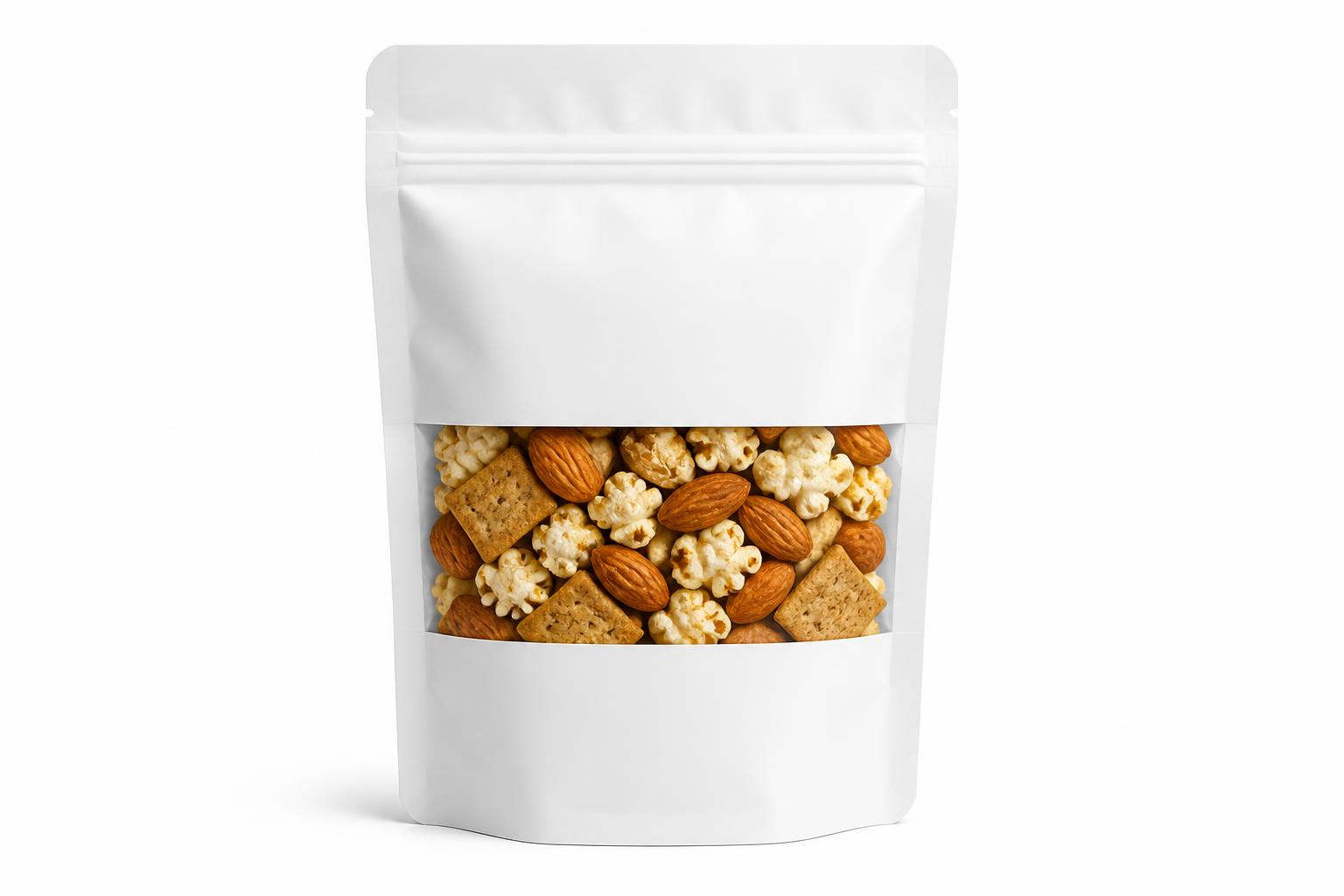
How to compare snacks with less sodium in 30 seconds
Turn the package over and run four quick checks.
1. Sodium per serving and per package
A single-serve bag of pretzels may say 250 mg per serving with 2.5 servings inside. Read the serving line first, because sodium math falls apart when the "serving" is a third of the bag. If you need a refresher, our guide to serving size vs portion size shows how to spot inflated servings fast.
2. The %DV shortcut
Use the Daily Value column: 5 percent DV or less is low, 20 percent or more is high. For sodium, 20 percent DV equals 460 mg, which is a lot for a handful of crackers.
3. Protein and fiber, not just salt
A snack that is low sodium but 100 percent refined starch will leave you hungry in 40 minutes. Look for at least 4 g protein or 3 g fiber. Nuts, seeds, roasted chickpeas, edamame, plain Greek yogurt and cottage cheese all clear that bar.
4. Ingredient quality and processing level
Scan the ingredient list length. Unsalted almonds have one ingredient. A "sea salt" veggie straw may have potato starch, corn oil, flavorings and colorings. Sodium also hides under names that are not "salt": sodium bicarbonate, monosodium glutamate, disodium phosphate, sodium citrate and sodium benzoate. Preservatives are not automatically a problem, but they tell you how processed a product is. Our explainer on sodium benzoate in food covers what the regulatory record actually says.
Healthy low sodium snacks by grocery aisle
Nuts and seeds
Unsalted or dry-roasted nuts are the single easiest swap. Plain almonds run about 0 to 5 mg sodium per ounce with 6 g protein and 3.5 g fiber. Compare that to salted roasted peanuts at 100 to 190 mg per ounce. At Costco, Kirkland Signature unsalted almonds and walnuts are the value picks. At Trader Joe's, raw pumpkin seeds and dry-toasted unsalted almonds are pantry regulars. If you like a little salt, buy "lightly salted" rather than "sea salt roasted," which is usually the full-sodium version with nicer marketing.
Fresh produce plus a real dip
Baby carrots, snap peas, cucumber, apples and grapes are all essentially sodium free. The dip is where sodium sneaks in. Hummus averages 110 to 180 mg per 2 tablespoons, guacamole around 90 to 200 mg, and ranch cups can top 260 mg. Plain Greek yogurt with lemon and dill costs you about 35 mg and adds protein.
Dairy that works in a lunchbox
Plain Greek yogurt is roughly 50 to 65 mg sodium per 5.3 oz cup with 15 to 17 g protein. Cottage cheese is the outlier: a half cup can hit 350 to 460 mg, though low sodium versions and Good Culture's lower-sodium tubs come in noticeably lighter. Swiss cheese is one of the lowest-sodium cheeses, around 50 mg per slice, versus 350 to 450 mg for a comparable serving of feta or processed American slices.
Crackers, chips and popcorn
This is the aisle where labels diverge most. Air-popped or lightly salted popcorn like SkinnyPop runs about 75 mg per cup-based serving. Triscuit Hint of Salt sits near 50 mg per serving with 3 g fiber from whole grain wheat. Mary's Gone Crackers and unsalted rice cakes are also low, while standard saltines, pretzel twists and flavored tortilla chips commonly land between 200 and 400 mg per serving. Our roundups of top-scoring crackers and the lowest-scoring salty snacks are useful side-by-side references when you are standing in the aisle.
Protein snacks
Jerky and meat sticks are the trap. Many sticks carry 350 to 600 mg sodium each. Lower-sodium alternatives include hard-boiled eggs (about 62 mg), edamame in the pod (about 10 mg unsalted), roasted chickpeas at 100 to 140 mg, and canned tuna or salmon labeled "no salt added," which drops from roughly 320 mg to under 60 mg per pouch. Rinsing regular canned beans under water for a minute removes a meaningful share of the sodium, which is a simple and well documented kitchen step.
Fruit and sweeter options
Dried fruit, unsweetened applesauce cups and freeze-dried fruit are naturally low sodium, so here the number to watch is added sugar rather than salt. Aim for 6 g added sugar or less per serving and skip anything where sugar or juice concentrate is in the first two ingredients. Dark chocolate at 70 percent or higher, in a 1 oz square, typically runs under 20 mg sodium.
Best low sodium snacks to keep on hand
A simple rotation that covers a week of school pickups and 3 p.m. slumps:
- Unsalted almonds or walnuts, portioned into 1 oz bags
- Plain Greek yogurt with berries
- Baby carrots and snap peas with a yogurt-dill dip
- Hint of Salt whole grain crackers with Swiss cheese
- Roasted chickpeas or unsalted edamame
- No-salt-added tuna pouch with cucumber slices
- Air-popped popcorn, lightly salted at home
Sodium claims on the front of the pack
Front-of-pack language is regulated but easy to misread. "Reduced sodium" only means 25 percent less than the original product, so a reduced sodium soy sauce can still be very high. "No salt added" means no sodium chloride was added but the food may still contain natural sodium. "Unsalted" and "lightly salted" are the phrases most likely to deliver an actually low number. The FDA maintains the full list of nutrient content claim definitions, and it is worth a bookmark.
Sodium interest has grown alongside broader consumer conversations about additives, ultra-processed foods and how US labeling compares with Europe. That curiosity is healthy, but the practical win is unglamorous: fewer packaged snacks with 400 mg per handful, more whole foods with a number you can verify on the label. If you manage blood pressure or take medication, talk to your clinician about the target that fits you, since the American Heart Association and individual care plans can differ.
Conclusion
Choosing snacks with less sodium comes down to three habits: check sodium per real serving, insist on protein or fiber, and prefer short ingredient lists over front-of-pack promises. If you would rather not decode every label yourself, you can scan a barcode with Osana and see the sodium, processing level and additives before it goes in your cart.
FAQ
How much sodium is too much in a snack?
As a rule of thumb, 140 mg or less per serving is low, 200 to 300 mg is moderate, and above 400 mg is high for a snack-size portion.
Are pretzels a low sodium snack?
Usually no. Standard pretzel twists often run 300 to 450 mg per ounce. Unsalted pretzels exist and drop to roughly 50 to 80 mg.
Is popcorn better than chips for sodium?
Typically yes. Lightly salted popcorn is often 75 to 150 mg per serving with fiber from whole grain corn, while flavored chips commonly reach 200 to 400 mg.
Does rinsing canned beans really lower sodium?
Yes. Draining and rinsing canned beans removes a meaningful portion of the sodium in the liquid, and no-salt-added cans lower it further.
What is the lowest sodium cheese at the store?
Swiss and fresh mozzarella are generally lowest, often under 100 mg per serving, while feta, blue cheese and processed slices sit much higher.
Do low sodium snacks taste bland?
They do not have to. Acid, spice and herbs, like lemon on hummus or chili and lime on popcorn, replace much of what salt was doing.
Choose cleaner swaps before they land in your cart.
Use Osana at Whole Foods, Trader Joe's, Target, Costco, or Walmart to compare labels faster and shop with more confidence.