Citric acid in food: where it comes from and why it is everywhere
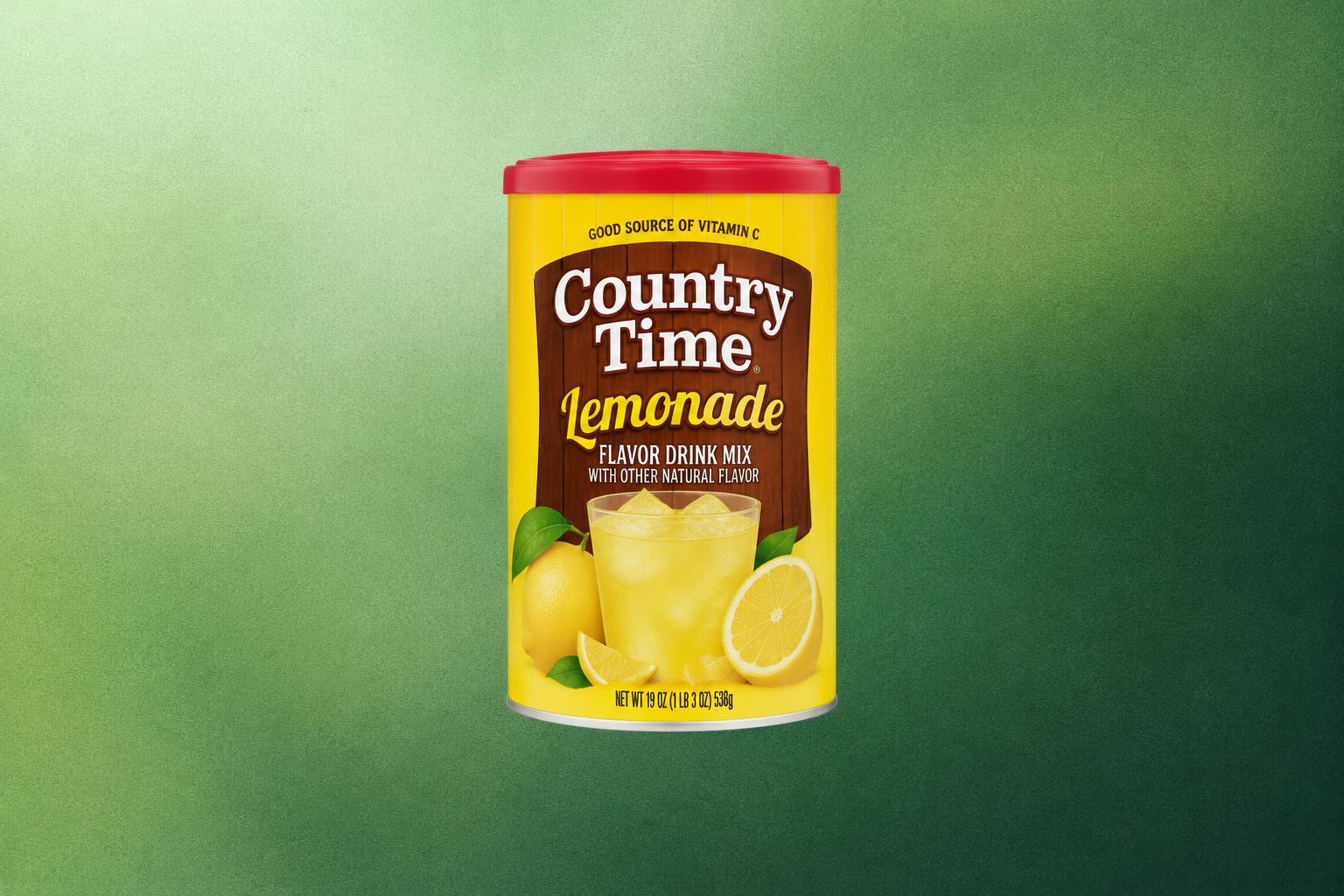
Citric acid in food is the same compound found naturally in lemons and pineapples. The citric acid added to packaged foods is usually made another way: by fermenting a sugar source with a mold. The authors of a 2018 case series state that about 99% of world production uses the mold Aspergillus niger. Food makers add it for a tart taste, to make foods more acidic so they keep longer, and to stop cut fruit from browning. The FDA affirms it as generally recognized as safe (GRAS). Below, you'll see how it's made, where it shows up and what the evidence on safety says.

Find the controversial ingredients already in your kitchen.
Scan packaged foods at home, understand ingredients, and find healthier alternatives in seconds.




 Scan with Osana
What is citric acid in food?
Citric acid is an acid that occurs naturally in plants and animals. The FDA rule that covers it, 21 CFR 184.1033, calls it "a naturally occurring constituent of plant and animal tissues." Lemons and pineapples are two fruits it can be recovered from.
If "citric acid" appears in an ingredient list, the maker added it on purpose. The label doesn't tell you how it was made, and in packaged foods it's usually manufactured rather than taken from fruit.
Is citric acid natural or synthetic?
The molecule is natural, but most added citric acid is manufactured. The FDA rule lists three ways to produce it for food:
- Recovery from fruit juice, such as lemon or pineapple juice
- Fermentation using Candida species
- Solvent extraction from the liquid left after Aspergillus niger fermentation
"Synthetic" isn't quite the right word for the fermentation routes, since living microbes make the acid. It's still a processed, manufactured ingredient, though, so both sides of the natural vs synthetic debate have a point.
How citric acid is made with Aspergillus niger
In simple terms, a mold turns sugar into citric acid. Aspergillus niger is grown on a sugar source, and the citric acid it produces is then extracted from the liquid and purified. The authors of the 2018 case series state that about 99% of the world's citric acid is made this way.
Why is citric acid in everything?
Citric acid does several jobs at once. One ingredient can shape flavor, help with preservation and protect color. That flexibility is why it turns up in so many aisles.
- Tartness: it adds a sour, bright note to drinks, candy and jams.
- Lower pH: it makes food more acidic, which helps preserve it.
- Color: it helps keep cut fruit and produce from browning.
- Support: it helps other preservatives work.
If you also spot preservatives such as potassium sorbate or sodium benzoate on a label, our guides explain what each one does. Here's where you're most likely to see citric acid, and the usual reason it's there.
| Food | Why it is added |
|---|---|
| Soda and flavored drinks | Tartness |
| Canned tomatoes and canned fruit | Acidity, which helps preserve |
| Candy | Sour taste |
| Jams and jellies | Tartness and acidity |
| Frozen fruit and fresh-cut produce | Helps keep color and limit browning |
Is citric acid safe? What the FDA says
The FDA lists citric acid as generally recognized as safe, or GRAS. Under 21 CFR 184.1033, it can be used in food "with no limitations other than current good manufacturing practice." The rule was published on December 12, 1994, at 59 FR 63895.
The same rule names the fermentation methods, so manufactured citric acid falls under this GRAS status too. For how the GRAS system works, see our guide to what GRAS means in food.
Is citric acid bad for you? What the 2018 case series found
The FDA considers it safe, but a small 2018 report on four people has raised questions. Researchers Sweis and Cressey described these cases in Toxicology Reports. The four people had inflammatory symptoms after foods, drinks or vitamins containing manufactured citric acid.
The symptoms included respiratory problems, joint pain, irritable bowel symptoms and muscle pain. The authors hypothesize that residues from Aspergillus niger may play a role.
What a case series can and can't tell you
A case series can't prove that an additive caused symptoms. It describes what happened to a few people, without comparing them with a similar group who avoided the ingredient. Its value is in flagging a question for larger studies.
The authors themselves note that little research exists on repeated exposure to manufactured citric acid. So the fair summary is that their idea is unproven, not disproven.
If you think citric acid bothers you
Reactions to food ingredients vary from person to person. If your symptoms seem to follow packaged foods, drinks or vitamins, jot down what you had and when. Then talk with your doctor or a registered dietitian before cutting foods out.
Is manufactured citric acid different from the citric acid in lemons?
Chemically, it's the same molecule. The difference is the source and the process, and that's where the debate sits. In a lemon, citric acid comes with the rest of the fruit. On a label, it's a purified ingredient that's usually made by mold fermentation.
Citric acid in whole fruit
- Same citric acid molecule
- Naturally present in fruits such as lemons and pineapples
- Eaten as part of the whole fruit
- Not the focus of the 2018 case series
Manufactured citric acid
- Same citric acid molecule
- Mostly made by fermenting a sugar source with Aspergillus niger; some is recovered from fruit juice
- Covered by the same FDA GRAS rule
- Listed simply as "citric acid" in ingredient lists
- Debated: a 2018 case series suggested mold residues might play a role in some reactions, which hasn't been proven
How to spot citric acid on a food label
Look for the words "citric acid" in the ingredient list. It's listed by name, so it's easy to find, but it doesn't tell you much about the product on its own. Our guide to reading food ingredient labels shows what to check first.
One additive doesn't make a product ultra-processed by itself. A can of tomatoes with citric acid is a different product from a candy with a long list of additives. Read the whole list, and use our food additives list to look up the other names you see.
Do
- Read the whole ingredient list rather than reacting to one word
- Remember that citric acid also occurs naturally in fruits like lemons
- Note whether any symptoms seem to follow packaged foods, drinks or vitamins
- Bring those notes to your doctor if you suspect a sensitivity
Avoid
- Assuming "citric acid" means a product is ultra-processed on its own
- Treating a four-person case series as proof of harm
- Treating GRAS status as proof that every question is settled
- Cutting out foods based on a hunch without medical advice
Other label terms deserve the same calm look. Our explainer on natural flavors in food covers another common name. Our list of ingredients to avoid on food labels shows which names may deserve more attention.
Frequently asked questions
Is citric acid made from mold?
Manufactured citric acid is usually made with a mold, Aspergillus niger, but the mold isn't the ingredient. The FDA rule describes extracting citric acid from the fermentation liquid. Whether trace residues matter is the open question raised by the 2018 case series.
Is citric acid a preservative?
It can work as one. Citric acid lowers pH, which helps foods keep longer, and it helps other preservatives do their job. Our food preservatives list covers the other common ones.
Does citric acid mean a food is ultra-processed?
Not on its own. You'll find citric acid in fairly simple foods like canned tomatoes, as well as in candy and soda. Judge a product by its whole ingredient list, not by one word.
The bottom line on citric acid in food
Citric acid in food matches the acid in lemons, but the 2018 authors say almost all citric acid worldwide is made with Aspergillus niger. Manufacturers use it for tartness, acidity, preservation and color. The FDA has affirmed it as GRAS since 1994.
A 2018 series of four case reports raised a question about manufacturing residues, but it can't prove cause. Read the whole ingredient list, and talk with your doctor if you notice a pattern.
For a quicker check in the aisle, scan a product's barcode with Osana to see every additive on the label.
Sources
- Legal Information Institute (Cornell Law School), 21 CFR 184.1033, "Citric acid", rule source 59 FR 63895, December 12, 1994, accessed October 2026.
- Sweis IE, Cressey BC, "Potential role of the common food additive manufactured citric acid in eliciting significant inflammatory reactions contributing to serious disease states: A series of four case reports", Toxicology Reports, 2018, 5:808-812.