Front of package nutrition label: what the FDA's proposed Nutrition Info box means
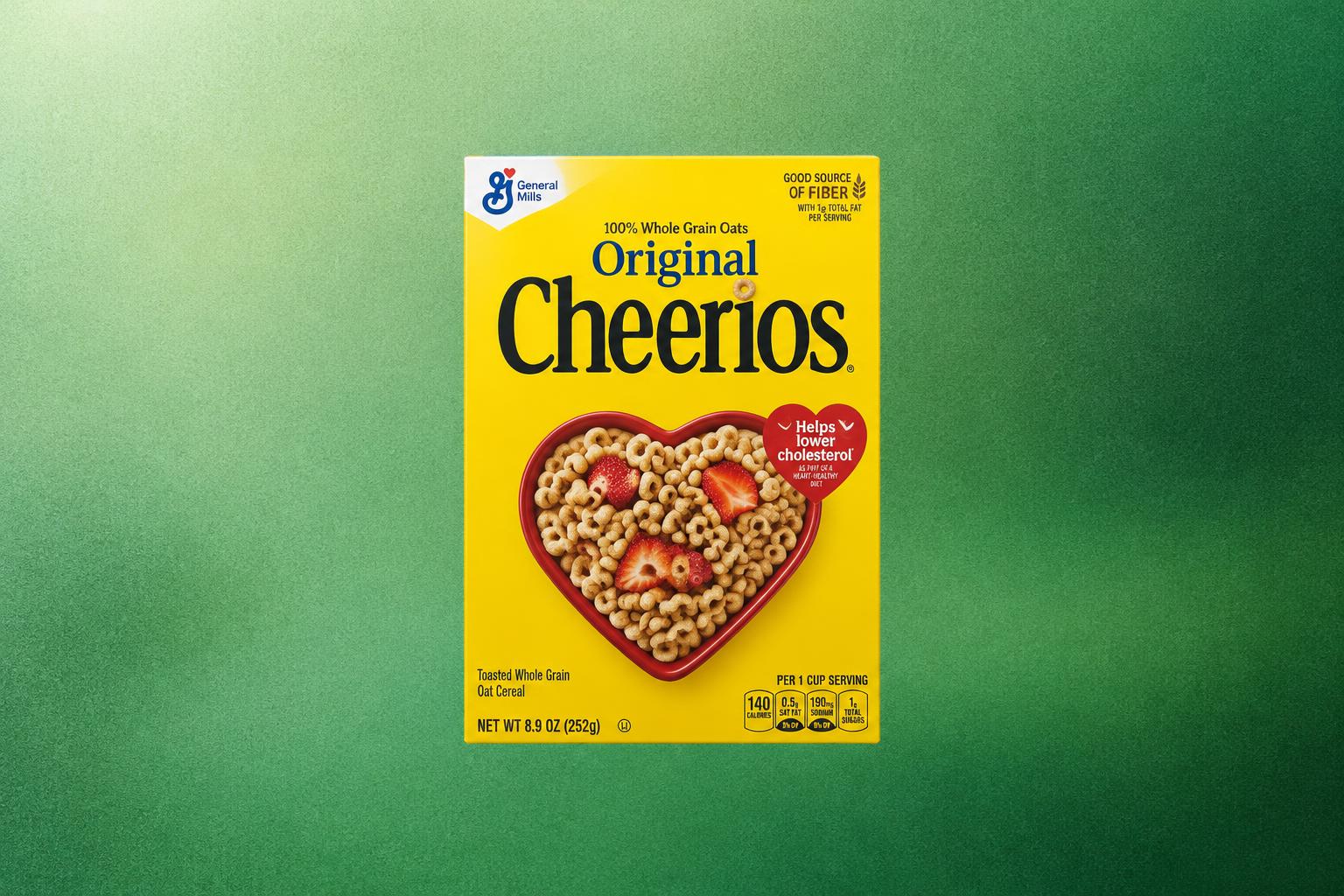
A front of package nutrition label is a short nutrition summary on the box front, so you can judge a product at a glance. In January 2025, the FDA proposed a required "Nutrition Info box" that would rate saturated fat, sodium and added sugars as Low, Med or High (FDA). As of November 2026, it is still a proposal, not a final rule. Until it lands, the front of most packages shows marketing claims and voluntary panels, while the full facts stay on the back.

Find the controversial ingredients already in your kitchen.
Scan packaged foods at home, understand ingredients, and find healthier alternatives in seconds.




 Scan with Osana
What a front of package nutrition label is
It is a simplified nutrition signal placed where you look first. The detailed Nutrition Facts panel sits on the side or back, and reading it line by line takes time in the aisle. A front label condenses the key points into a few words or symbols.
Today, the front of a US package can carry three kinds of information. There are marketing claims such as "good source of protein" or "no added sugar". There are voluntary industry panels, such as the Facts Up Front icons some brands print to show calories and a few nutrients per serving. The third is the proposed FDA box, which is not a requirement on shelves yet.
If you want a refresher on the back panel itself, our guide to the Nutrition Facts label explained walks through each line.
What the FDA's proposed Nutrition Info box shows
The proposed box shows three nutrients, each rated Low, Med or High. The FDA announced the proposal on January 14, 2025, and said it would apply to most packaged foods (FDA). The three nutrients are saturated fat, sodium and added sugars.
The FDA says the box complements the Nutrition Facts label: the front gives simpler information, and the back keeps the detail (FDA). Research shaped the design: in a 2023 FDA study, nearly 10,000 US adults compared three label types (FDA). A black-and-white scheme using percent Daily Value best helped them spot healthier options (FDA).
The box draws on percent Daily Value, the same scale used on the back panel. The FDA's announcement does not list the cutoff for each level, and the final rule could set them differently.
For the back panel, the FDA says 5% DV or less per serving is low and 20% DV or more is high (FDA). That is a Nutrition Facts guide, not the box's official cutoff. Our guide to the daily value on nutrition labels shows how to read those percentages fast.
Why these three nutrients
They are the nutrients the FDA asks most people to watch. Its Nutrition Facts guide groups saturated fat, sodium and added sugars as nutrients to get less of (FDA). The agency framed the proposal around diet-related chronic disease, noting that 60% of Americans have at least one chronic disease (FDA).
Notice that the box would show added sugars, not total sugars. The sugar naturally present in plain milk or fruit is not an added sugar. Our guide to added sugar vs total sugar explains how the two lines differ on the label.
Where the FDA rule stands in late 2026
Short answer: it is still proposed. The FDA's list of foods program regulations under development shows the front-of-package final rule with a goal publication date of December 2026 (FDA). Its 2026 priority list also includes the rule (FDA).
That same priority list says the proposal drew tens of thousands of public comments. Many supported front labels, but opinions varied on the label's content and design (FDA).
| Milestone | Date or timing |
|---|---|
| Proposed rule announced | January 14, 2025 |
| Public comment deadline | May 16, 2025, later extended to July 15, 2025 |
| Final rule | Pending as of November 2026, FDA goal date December 2026 |
| Compliance, companies with $10 million or more in annual food sales | Three years after the final rule's effective date |
| Compliance, companies under $10 million in annual food sales | Four years after the effective date |
A goal date is not a deadline: agenda dates can slip, and a final rule can change the design, the cutoffs or the exemptions. Even after publication, the multi-year compliance window means the box would phase in gradually, not overnight.
Front label vs the Nutrition Facts panel
The front label is a shortcut; the Nutrition Facts panel is the full record. They answer different questions, so you get the most from reading both.
Proposed Nutrition Info box
- Three nutrients only
- Plain words: Low, Med or High
- On the front, read in seconds
- Would be required on most packaged foods if finalized as proposed
Nutrition Facts panel
- Serving size, calories and the full nutrient list
- Grams, milligrams and %DV
- On the side or back
- Already required on packaged foods
Front claims and voluntary panels
- Chosen by the brand
- Highlight one strength, such as "low fat"
- Defined claims like "healthy" follow FDA criteria
- Never the whole picture
Serving size ties everything together. The Nutrition Facts panel lists amounts per serving, so a bag with several servings can look lighter than what you actually eat. Our guide to serving size vs portion size shows how to adjust.
Neither label tells you what the product is made of. That is the ingredient list's job, and it is where you find specific sweeteners, oils and additives.
What the FDA "healthy" claim rule changed
The "healthy" claim is a separate, voluntary label, updated in a final rule announced on December 19, 2024 (FDA). Unlike the proposed box, brands choose whether to use it. To qualify, a product must contain a set amount from a food group and stay under limits for added sugars, sodium and saturated fat.
For grain products, for example, the minimum is a 3/4 oz whole-grain equivalent per reference serving (FDA). The limits for that category look like this.
Some products may lose the claim. The FDA notes that a highly sweetened cereal could qualify under the old definition but not under the new one (FDA). In its January 2025 update, the agency said it was still working on a "healthy" symbol for packages.
Other front claims have their own rules. Our guide to no added sugar vs sugar free explains what each of those two claims legally means.
How to read the front of a package today
Treat the front as a starting point, then confirm on the back. These four checks fit into a normal grocery run.
- Match the claim to the panel
If the front says "low sodium" or "healthy", find sodium and added sugars on the Nutrition Facts panel. Our guide on how to spot hidden sodium on food labels covers the salty surprises.
- Use %DV as your scale
5% DV or less per serving is low and 20% DV or more is high, per the FDA. It is the quickest way to compare two similar boxes.
- Check servings per container
A small bag or bottle can hold more than one serving, which multiplies every number.
- Finish with the ingredient list
Ingredients are listed in descending order by weight, so the first few tell you what the product mostly is. Our guide on how to read food ingredient labels shows what to look for.
Frequently asked questions
Is the FDA front of package label required yet?
No. The FDA proposed it in January 2025. As of November 2026, the final rule is still pending, with a goal date of December 2026 (FDA). If it is finalized as proposed, companies would get three or four years after the effective date to comply, depending on their size.
Will the Nutrition Info box replace the Nutrition Facts label?
No. The FDA describes the box as a complement. It gives a quick summary on the front, while the Nutrition Facts panel keeps the full detail.
Is Facts Up Front the same as the FDA box?
No. Facts Up Front is a voluntary industry panel that some brands print, showing calories and a few nutrient amounts. The FDA box is still a proposal: if finalized, it would be required on most packaged foods and would rate three nutrients as Low, Med or High.
The bottom line on front of package labels
The FDA's proposed front of package nutrition label, the Nutrition Info box, would rate saturated fat, sodium and added sugars as Low, Med or High. As of November 2026 it is still a proposal, and even a final rule would phase in over several years. Until then, read front claims as a hint, not a verdict. Check the Nutrition Facts panel for the numbers and use %DV as your scale. Then read the ingredient list to see what the product is made of.
If you want a quick read of the ingredients behind any front-of-pack claim, try Osana on your next grocery run.
Sources
- FDA, "FDA Proposes Requiring At-a-Glance Nutrition Information on the Front of Packaged Foods", January 14, 2025.
- FDA, "FDA Issues Proposed Rule on Front-of-Package Nutrition Labeling", constituent update, accessed November 2026.
- FDA, "Foods Program Regulations Under Development", accessed November 2026.
- FDA, "Human Foods Program 2026 Priority Deliverables", accessed November 2026.
- FDA, "Use of the 'Healthy' Claim on Food Labeling", accessed November 2026.
- FDA, "How to Understand and Use the Nutrition Facts Label", accessed November 2026.