How to read allergen labels: the 9 major allergens on US packaging
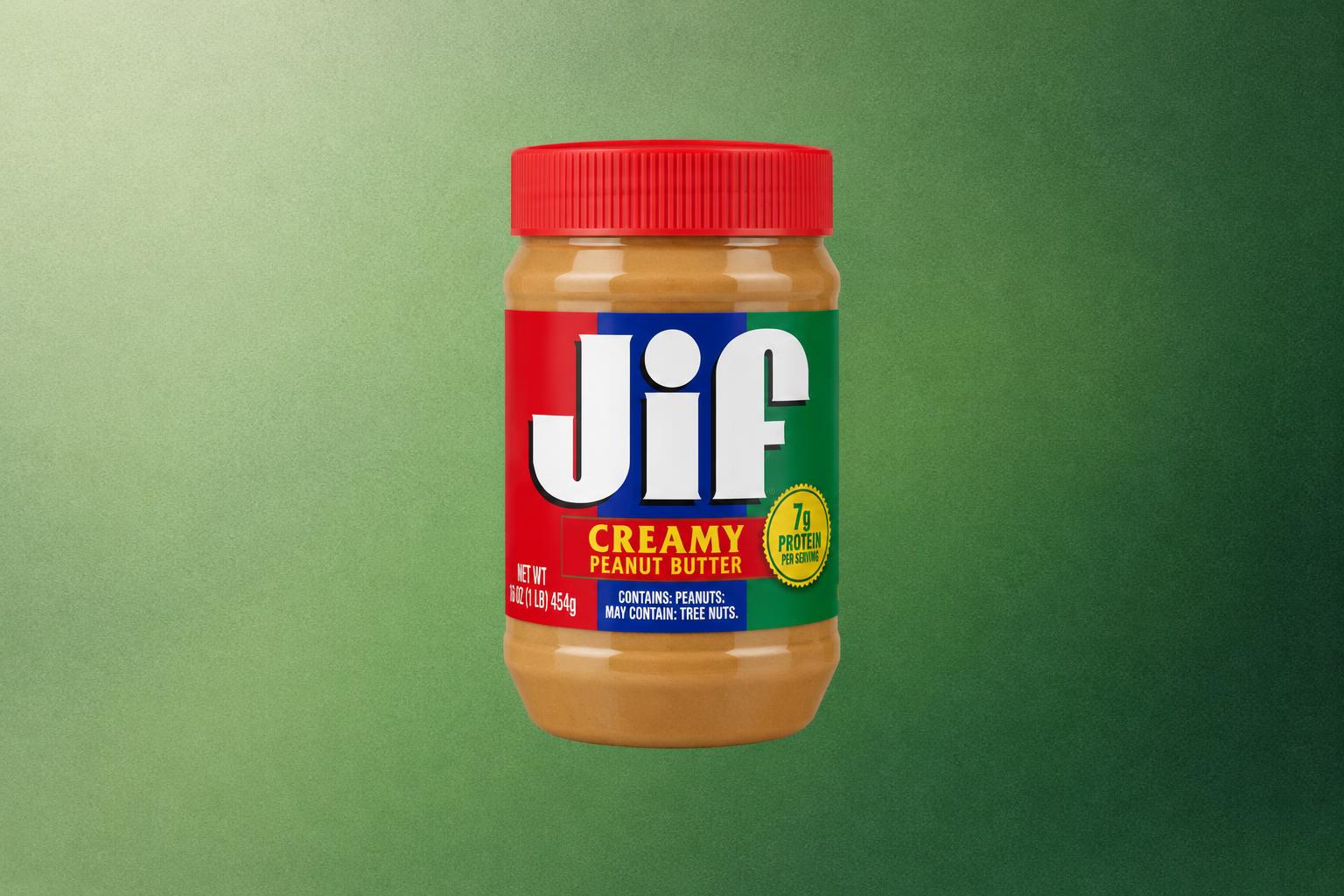
Learning how to read allergen labels comes down to two places: the ingredient list and the "Contains" statement printed after or next to it. US law names 9 major food allergens: milk, eggs, fish, crustacean shellfish, tree nuts, peanuts, wheat, soybeans and sesame (FDA). FDA-regulated labels must declare any that a food contains. The law also has gaps. "May contain" lines are voluntary, and some foods fall outside the law entirely. If someone in your family has a food allergy, follow your allergist's plan and read every package, every time.

Find the controversial ingredients already in your kitchen.
Scan packaged foods at home, understand ingredients, and find healthier alternatives in seconds.




 Scan with Osana
What US allergen labels must show by law
Labels on FDA-regulated foods must declare any of the 9 major food allergens a food contains, each named at least once (FDA). The Food Allergen Labeling and Consumer Protection Act of 2004 (FALCPA) first identified eight, and the FASTER Act, signed in 2021, added sesame (FDA).
Food allergies affect millions of Americans, according to the FDA. For any major allergen, the law gives food makers two ways to name the food source (FDA):
- In parentheses after the ingredient name, such as "lecithin (soy)"
- In a "Contains" statement immediately after or next to the ingredient list
The source only has to appear once. So one product may carry a "Contains" line while another relies on parentheses alone. That's why a missing "Contains" line never settles the question for your family. If you're new to the back of the box, start with our guide on how to read food ingredient labels.
Tree nuts, fish and shellfish need more detail
For three groups, a general word is not enough. The label must declare the type of tree nut, such as almonds, pecans or walnuts. It must also name the species of fish and of crustacean shellfish (FDA). That detail helps when your allergist's plan lists specific nuts or species.
How to read an allergen label, line by line
Allergen information can show up in three places: inside the ingredient list, in a "Contains" statement and in an advisory line. Only the first two are part of the declaration the law requires (FDA). The example below puts all three on one panel.
In the example, "enriched flour (wheat)" and "whey (milk)" flag allergens inside the list, and "soy lecithin" already names soy. Our guide to lecithin in food explains that common emulsifier. The "Contains" line repeats all three allergens in one place, and the advisory line is covered in the "may contain" section below.
A 4-step method to read allergen labels at the shelf
Run the same four checks on every package, including the brands you buy every week. That means the crackers, granola bars and bread you grab at Walmart or Costco on autopilot. The routine gets quick once it becomes a habit.
- Find the "Contains" line
Look right after or next to the ingredient list. If it names an allergen your family avoids, you have your answer. If there is no "Contains" line, keep going.
- Scan the ingredient list for parentheses
Read every ingredient, not only the first few. Check each set of parentheses for a source such as "(milk)" or "(soy)," and watch for ingredients that are the allergen itself, like peanuts.
- Read any advisory line
Note any "may contain" or "produced in a facility" wording, and follow your allergist's advice on what it means for your family.
- Check the package every time
Recipes change, so re-read the label on each purchase. Look twice when a familiar box shows a new formula or new packaging. If anything is unclear, contact the manufacturer.
A barcode scanner for food ingredients can pull up a list fast in a busy aisle. For allergies, though, the printed package in your hand is the label to trust, because recipes change. Allergen details sit with the ingredient list, not in the Nutrition Facts panel, which our nutrition facts label guide covers.
What does "may contain" mean on a food label?
"May contain" is a voluntary advisory statement, not part of the legal allergen declaration. The law does not require lines such as "may contain" or "produced in a facility." FDA guidance says they should not be used as a substitute for good manufacturing practices (FDA).
"Contains" statement
- Part of the legal allergen declaration
- Names the food source, such as wheat, milk or soy
- Sits immediately after or next to the ingredient list
- Names the tree nut type and the fish or shellfish species
"May contain" or "made in a facility"
- Voluntary: no law requires it
- Wording varies, from "may contain" to "produced in a facility"
- Not a substitute for good manufacturing practices, per FDA guidance
A missing advisory line tells you little on its own. The product has made no statement either way about shared equipment or facilities. If that matters for your family, contact the manufacturer and ask how it's made. Then follow your allergist's advice.
The 9 major food allergens and what labels must name
For most major allergens, the label simply names the allergen. For tree nuts, fish and crustacean shellfish, it must go further and name the type or species (FDA). Use this table as a quick reference when you shop.
| Major allergen | What the label must name |
|---|---|
| Milk | Milk |
| Eggs | Eggs |
| Fish | The species of fish |
| Crustacean shellfish | The species, such as shrimp |
| Tree nuts | The type of nut, such as almonds, pecans or walnuts |
| Peanuts | Peanuts |
| Wheat | Wheat |
| Soybeans | Soy, as in "lecithin (soy)" |
| Sesame | Sesame, required on labels since January 1, 2023 |
Wheat is on the list, but barley and rye are not. So the allergen declaration is not a full gluten check. If someone at home avoids gluten, our guide to the gluten-free label meaning explains what that claim covers.
Where allergen labeling falls short
The allergen law does not cover USDA-regulated meat, poultry and egg products, alcohol under TTB rules or foods outside the 9. Some pre-2023 stock may also lack a sesame declaration (FDA).
Meat, poultry and egg products
USDA-regulated meat, poultry and egg products sit outside the allergen law (FDA). Read their ingredient lists anyway, with extra care for breaded chicken, marinated meats or seasoned sausages in the freezer and meat cases. When in doubt, contact the maker.
Alcoholic drinks under TTB rules
Alcoholic drinks that follow labeling rules from the federal Alcohol and Tobacco Tax and Trade Bureau (TTB) also sit outside the allergen law (FDA). If an ingredient matters for your household, ask the producer before you serve the drink.
Older stock without sesame
Sesame labeling took effect on January 1, 2023, but products already in interstate commerce before then did not have to be relabeled (FDA). This now matters mainly for older items, such as a box that has sat in your pantry. If sesame is a concern, don't read a missing mention as a "no." Contact the manufacturer to confirm.
Foods outside the 9
Other foods can also cause reactions in some people, even though they are not major allergens. The allergen declaration will not flag them. Read the full ingredient list, and ask your allergist which names to watch for.
Do
- Read the "Contains" line and the full ingredient list
- Check every set of parentheses for an allergen source
- Re-read labels on every purchase, even familiar brands
- Contact the manufacturer when wording is unclear
- Follow your allergist's plan for advisory lines
Avoid
- Judging a product by the front of the package
- Expecting meat, poultry, egg product or alcohol under TTB rules labels to follow the same rule
- Assuming foods outside the 9 will be flagged
- Relying on memory instead of the current package
Packing lunchboxes for a classroom with allergy rules? Our list of healthy snacks for kids is a good place to start. Run each pick through the four steps before it goes in the bag.
Frequently asked questions
If there's no "Contains" statement, is the food free of major allergens?
Not necessarily. The law lets makers name an allergen's source either in parentheses in the ingredient list or in a "Contains" statement (FDA). Read the whole list before you decide.
Is it safe to eat foods labeled "may contain"?
The label alone can't answer that. Ask your allergist how to handle advisory lines for your family. If you need more detail about how a product is made, contact the manufacturer.
Why isn't sesame listed on some products?
Sesame labeling took effect on January 1, 2023, and products already in interstate commerce before that date did not have to be relabeled (FDA). So an older item, like a long-stored pantry box, may not list it. Ask the manufacturer if you're unsure.
Conclusion
Reading allergen labels well means checking the full ingredient list, not just the "Contains" line. Treat "may contain" lines as extra notes from the maker, and get your allergist's guidance on them.
Keep the gaps in mind: USDA-regulated meat, poultry and egg products, alcohol under TTB rules and some older stock without sesame. Then repeat the check on every package, every time. For other label words worth a second look, see ingredients to avoid in food labels.
If you'd like a quicker read of an ingredient list while you shop, try scanning it with Osana, then confirm allergens on the printed package.
Sources
- FDA, "Food Allergies: What You Need to Know", content current as of March 11, 2026, accessed October 2026.