No added sugar vs sugar free: what each label claim really means
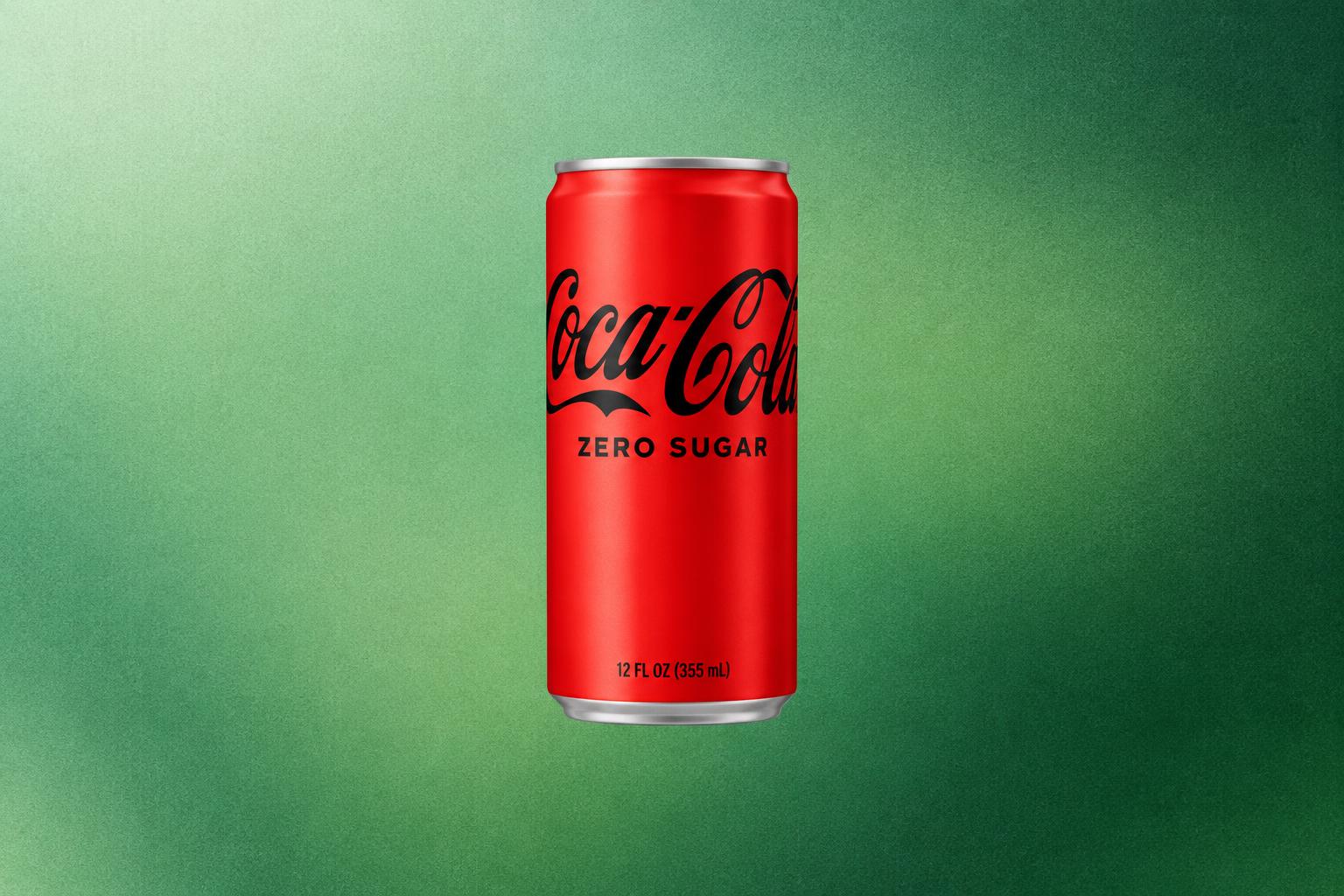
No added sugar vs sugar free: the two claims answer different questions. "Sugar free" tells you how much sugar is in the food: less than 0.5 g per serving, under FDA labeling rules. "No added sugar" tells you how it was made: nothing sugary went in during processing, though fruit or milk sugar can still be high. Neither claim means low calorie, and "low sugar" has no FDA definition. To compare two products, flip them over and read the sugar lines, as our Nutrition Facts label guide explains.

Find the controversial ingredients already in your kitchen.
Scan packaged foods at home, understand ingredients, and find healthier alternatives in seconds.




 Scan with Osana
No added sugar vs sugar free: the short answer
Read "sugar free" as a measurement and "no added sugar" as a recipe note. The first is about how much sugar ends up in a serving. The second is about whether anything sugary went in.
A product can carry one claim, both, or neither. A no-added-sugar juice can be far from sugar free, while a sugar-free candy may get its sweetness from sugar alcohols. Three FDA numbers are worth knowing before you compare.
What does sugar free mean?
"Sugar free" means less than 0.5 g of sugars per serving, under 21 CFR 101.60. The limit applies per reference amount (the standard serving used for claims) and per labeled serving. So a brand can't earn the claim just by shrinking its serving size.
Why sugar-free foods still taste sweet
Sugar alcohols and non-nutritive sweeteners take over sugar's job. Sugar alcohols such as erythritol, maltitol and sorbitol are not counted as sugars on the Nutrition Facts panel. When a label lists them, they get their own line.
Some people get digestive discomfort from large amounts of certain sugar alcohols, so the amount matters with sugar-free candy and gum. Our list of sugar alcohols shows the names to spot, and our guide to artificial sweeteners in food covers the other common options.
Sugar free does not mean low calorie
A sugar-free cookie can still have plenty of calories, since the fat and flour are still there. The rule builds in a reminder (21 CFR 101.60). Unless the food meets low or reduced calorie criteria, its label must say it isn't a low or reduced calorie food. Some labels say "not for weight control" instead.
What does no added sugar mean?
"No added sugar" means no sugars or sugar-containing ingredients were added during processing or packaging. That rules out ingredients such as jam, jelly or concentrated fruit juice (21 CFR 101.60). "Without added sugar" and "no sugar added" follow the same rule.
Three more conditions apply, and shoppers rarely hear about them:
- Processing can't raise the food's sugar content.
- The food it resembles and replaces normally contains added sugars.
- Unless it's low or reduced calorie, the label must say it isn't. It must also send you to the Nutrition Facts panel for sugar and calories.
That last condition is worth a second look. The rule itself tells you to turn the package over before trusting the claim.
The natural sugar trap
"No added sugar" says nothing about how much sugar the food already contains. Fruit juice, applesauce and dried fruit can carry the claim and still be naturally high in sugar. That sugar shows up in Total Sugars, while Added Sugars can read zero.
The FDA treats sugars naturally found in milk and fruit as part of Total Sugars, not as added sugars. Sugars from syrups, honey and concentrated fruit or vegetable juices do count as added. So a snack sweetened with apple juice concentrate can't claim "no added sugar".
Those sweeteners go by many names on ingredient lists. Our guide to hidden names for sugar helps you spot them fast.
Unsweetened, reduced sugar and low sugar
These three phrases get mixed up, but they follow different rules. "Unsweetened" is a factual statement, "reduced sugar" has a set threshold, and "low sugar" has no FDA definition. Here is how the three compare at a glance.
Unsweetened
- A factual statement, not a sugar claim
- Can appear on naturally sweet foods like juice
- Total Sugars still shows the real amount
Reduced sugar
- At least 25% less sugar than a comparable food (21 CFR 101.60)
- Only a comparison with the regular version
- Can still be high if the original was very sweet
Low sugar
- No FDA definition
- No federal number behind it
- Check the Added Sugars %DV instead
Unsweetened is a separate statement
"Unsweetened" and "no added sweeteners" are factual statements, handled separately from the sugar claims (21 CFR 101.60). They can appear even on foods naturally high in sugar, such as juice. Read them as a note about the recipe, not the sugar level. Total Sugars still tells you how much sugar is inside.
Reduced sugar is a relative claim
"Reduced sugar", "less sugar" and "lower sugar" mean at least 25% less sugar per reference amount than a comparable food (21 CFR 101.60). The comparison is relative, not absolute. If the regular version is very sugary, the reduced one can still be high in sugar.
Low sugar has no FDA definition
The FDA has not defined "low sugar", so treat it as marketing language. Unlike "sugar free" or "reduced sugar", it has no federal number behind it. For lower-sugar ideas, see our guide to low sugar snacks, and still check the Added Sugars line.
How to check the Nutrition Facts panel
Go straight to the Added Sugars line and its %DV. The Daily Value for added sugars is 50 g per day on a 2,000-calorie diet, according to the FDA. On the same FDA page, 5% DV or less counts as low and 20% DV or more as high.
Total Sugars includes both natural and added sugars, and it has no Daily Value. When the panel says "Includes X g Added Sugars", those grams are already counted inside Total Sugars. Here is what to check on five common products.
| Product | Front claim | What to check on the panel |
|---|---|---|
| No-sugar-added applesauce | No sugar added | Total Sugars comes from the apples; Added Sugars should read 0 g |
| Sugar-free gummies | Sugar free | The sugar alcohol line, maltitol or sorbitol in the ingredients, and calories |
| 100% juice, no sugar added | No sugar added | Total Sugars and serving size; the sugar comes from the fruit |
| Reduced-sugar ketchup | Reduced sugar | Added Sugars %DV and any sweeteners in the ingredients |
| Unsweetened almond milk | Unsweetened | Total Sugars and the full ingredient list |
The same two lines work on any package, with or without a front claim. Our guide to added sugar vs total sugar breaks them down, and our guide to the Daily Value on nutrition labels covers the percentages.
Is no added sugar healthy?
"No added sugar" is a helpful signal, but it doesn't make a food healthy on its own. It tells you nothing sugary was added, which can help you keep added sugars in check. It doesn't tell you about total sugar, calories, fiber or the rest of the recipe.
For a family cart, compare products within the same category instead of comparing claims. Line up two jars of applesauce or two cartons of juice by Added Sugars, Total Sugars and serving size. The ingredient list then shows where the sweetness comes from.
If you manage diabetes or another health condition, the claim on the box is only a starting point. Ask your doctor or a registered dietitian which label numbers matter most for you.
Do
- Compare Added Sugars %DV between similar products
- Read Total Sugars next to the serving size
- Scan the ingredients for syrups, honey or juice concentrate
- Check the sugar alcohol line on sugar-free sweets
Avoid
- Treating "low sugar" as an official claim
- Assuming "no added sugar" means low in sugar
- Assuming "sugar free" means low calorie
- Reading "unsweetened" as "sugar free"
Frequently asked questions
Is "zero sugar" the same as "sugar free"?
Yes. "Zero sugar", "no sugar", "free of sugar" and "sugar free" follow one rule: less than 0.5 g of sugars per serving (21 CFR 101.60). The wording is a marketing choice, not a different standard.
Does honey or fruit juice concentrate count as added sugar?
Yes. The FDA counts sugars from honey, syrups and concentrated fruit or vegetable juices as added sugars. A product made with them can't claim "no added sugar".
Which is better, no added sugar or sugar free?
Neither wins on its own. "No added sugar" can still mean plenty of natural sugar, and "sugar free" often means sugar alcohols or sweeteners. Compare Added Sugars, Total Sugars and the ingredient list for the products you're choosing between.
Conclusion
"Sugar free" and "no added sugar" sound alike but measure different things. "Sugar free" caps the sugar per serving and doesn't mean low calorie. "No added sugar" means nothing sugary went in, yet fruit and milk sugars can still run high.
"Reduced sugar" is relative, and "low sugar" has no FDA definition. When the front of the box leaves you guessing, the Added Sugars line, Total Sugars and the ingredient list settle it.
If you'd like a quicker way to check added sugars and sweeteners while you shop, try scanning your next few products with Osana.
Sources
- FDA, "Added Sugars on the Nutrition Facts Label", content current as of March 4, 2026.
- eCFR, 21 CFR 101.60, accessed October 2026.