Sucralose vs aspartame: what US labels, the FDA, and current research say
 By Clement7 min read
Find the controversial ingredients already in your kitchen.
Scan packaged foods at home, understand ingredients, and find healthier alternatives in seconds.




 Scan with Osana
Sucralose vs aspartame: the short answer
Sucralose and aspartame are both FDA-approved, zero- or low-calorie sweeteners, but they are very different molecules. Sucralose (Splenda) is a chlorinated form of sugar that stays stable when heated, so it shows up in baked goods and shelf-stable foods. Aspartame (NutraSweet, Equal) is made from two amino acids, breaks down with heat, and carries a mandatory phenylketonuria (PKU) warning. Neither has been proven harmful at typical intakes, but each has open research questions, and the evidence does not crown a clear winner.
If you are standing in the drink aisle wondering whether to choose sucralose or aspartame, the more useful questions are how often you consume either one and what else is on the ingredient list.
What each sweetener actually is
Sucralose
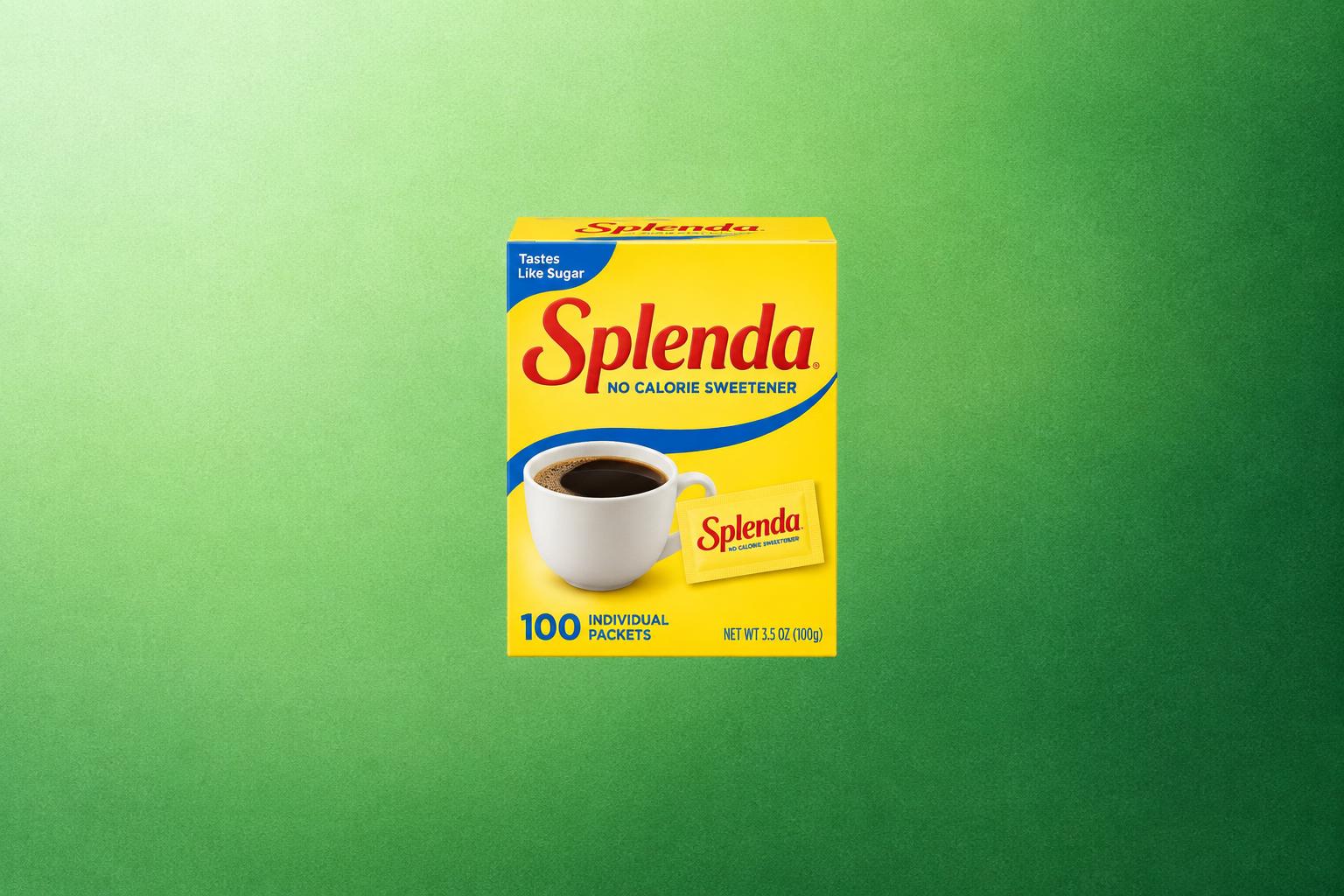
Sucralose is made by replacing three hydroxyl groups on a sucrose molecule with chlorine atoms. That change makes it about 600 times sweeter than sugar and means the body absorbs very little of it. Most passes through the gut unchanged. On labels it appears simply as "sucralose." The yellow Splenda packets also contain dextrose and maltodextrin as bulking agents, which add a small amount of carbohydrate.
Aspartame
Aspartame is a dipeptide of aspartic acid and phenylalanine, about 200 times sweeter than sugar. The body digests it into those amino acids plus a small amount of methanol, in quantities comparable to or lower than those from fruit juice. Because it contains phenylalanine, US labels must state "Phenylketonurics: contains phenylalanine," which matters for people with PKU. Other people do not need to avoid it for that reason.
Why manufacturers choose one over the other
This artificial sweetener comparison often comes down to food engineering rather than health:
- Heat and shelf life: Aspartame loses sweetness when baked or stored warm for long periods. Sucralose holds up, so it is common in "sugar-free" baked goods, syrups, and protein powders.
- Taste profile: Many brands blend sweeteners. Diet sodas often pair aspartame with acesulfame potassium (Ace-K) to mask aftertastes and extend shelf life.
- Cost and sweetness per gram: Both are used in tiny amounts, which keeps costs low compared with sugar.
- Marketing: Some brands have moved away from aspartame after consumer pushback and now advertise "no aspartame," often by switching to sucralose, stevia, or blends.
Where you'll find them in US grocery stores
| Category | More often sucralose | More often aspartame |
|---|---|---|
| Diet soda | Some newer "zero sugar" lines | Classic diet colas |
| Flavored waters and drink mixes | Common | Common in powdered sticks |
| Protein shakes and powders | Very common | Less common |
| Light yogurt | Common | Sometimes |
| Sugar-free gum and candy | Sometimes | Very common in gum |
| Sugar-free syrups and baked goods | Very common | Rare (heat breaks it down) |
| Tabletop packets | Yellow packets | Blue packets |
At Target, Walmart, or Costco, you will often see both in the same cart: aspartame in the kids' drink mix, sucralose in the protein shake. If protein shakes are a staple in your house, our guide on whether protein shakes are ultra processed covers what else to check.
What the FDA and scientific bodies say
Regulatory status
The FDA approved aspartame in 1981 and sucralose in 1998 as food additives, meaning they went through premarket review rather than the self-affirmed GRAS pathway. The FDA's overview of high-intensity sweeteners sets acceptable daily intakes (ADI) of 50 mg/kg body weight for aspartame and 5 mg/kg for sucralose. For a 150-pound adult, the aspartame ADI works out to roughly the amount in more than a dozen cans of diet soda daily. Most people consume far less.
Both sweeteners are also permitted in the European Union, so this is not a "banned in Europe" ingredient story. The EU does require slightly different labeling and uses the E-numbers E951 (aspartame) and E955 (sucralose).
Aspartame: the 2023 IARC classification
In July 2023, the WHO's cancer agency (IARC) classified aspartame as "possibly carcinogenic to humans" (Group 2B), based on limited evidence, mainly for liver cancer. At the same time, the WHO/FAO expert committee JECFA reviewed the evidence and kept the ADI unchanged at 40 mg/kg. The WHO's joint statement explains that IARC evaluates whether something could cause cancer, while JECFA estimates how much is safe to consume. The FDA said it disagreed with IARC's conclusion. Group 2B is a broad category that also includes aloe vera extract, so it signals uncertainty rather than proven harm.
Sucralose: newer questions
Sucralose research is younger and more mixed. A 2023 lab study published in the Journal of Toxicology and Environmental Health found that sucralose-6-acetate, a compound present as an impurity and formed in the gut, showed genotoxic effects in human cells in vitro. That is a cell study, not evidence of harm in people, but it raised new questions. Other research, including a small human trial on sucralose and glucose response, suggests some non-nutritive sweeteners may alter gut microbes and glucose tolerance in certain individuals. Findings vary widely between people and studies.
The bigger picture
In 2023, the WHO also issued guidance advising against relying on non-sugar sweeteners for long-term weight control, noting links in observational studies to higher risk of type 2 diabetes and cardiovascular disease. Observational data cannot show cause, and people who already have health concerns may choose diet products more often. The guidance does not apply to people with existing diabetes.
Bottom line: aspartame has more total research and one high-profile hazard classification. Sucralose has less long-term human data and some emerging lab findings. Neither is established as dangerous at normal intake, and neither is proven harmless in every context.
How to read labels for sucralose and aspartame
- Check the ingredient list, not the front label. "Zero sugar," "diet," and "light" do not tell you which sweetener is inside.
- Look for the PKU statement. If you see "contains phenylalanine," the product has aspartame.
- Watch for stacks. Many drinks combine sucralose, Ace-K, and sometimes stevia. Multiple sweeteners can make it hard to track your intake.
- Count servings across the day. A diet soda, a light yogurt, a protein bar, and flavored water can add up, especially for kids with smaller body weights.
- Read the whole list. A sweetener swap does not make an ultra-processed product nutritious. Look at added colors, gums, and protein quality too.
- Compare with alternatives. If you are weighing plant-based options, see our breakdowns of aspartame vs stevia and erythritol vs stevia.
A family-shopping scenario
Say you are choosing a drink mix for your kids' water bottles. One brand uses aspartame and Red 40, another uses sucralose with no dyes, and a third is unsweetened with a splash of real juice. The sweetener is only one variable. Many parents simply prefer to limit how often kids have intensely sweet drinks, whichever sweetener is used.
Conclusion
The aspartame vs sucralose debate does not have a clean winner. Aspartame is well studied, heat-sensitive, and carries a PKU warning plus a cautious IARC label. Sucralose is heat-stable and widely used in baked goods and protein products, with less long-term data and some newer lab questions. For most shoppers, moderation, variety, and reading the full ingredient list matter more than picking one sweetener. If you want a faster way to see which sweeteners and additives are in the products already in your pantry, try scanning a few with Osana.
Frequently asked questions
Is sucralose or aspartame better for people with diabetes?
Neither contains sugar, and both have minimal direct effect on blood glucose for most people. Some research suggests individual responses vary, so people managing diabetes should discuss sweetener use with their clinician.
Is sucralose safe for baking?
Sucralose is heat-stable and is sold for baking. Some studies suggest it may form chlorinated compounds at very high temperatures, so this is an area of ongoing research.
Is aspartame safe during pregnancy?
The FDA considers aspartame acceptable within the ADI during pregnancy, except for people with PKU. Pregnant readers with questions should check with their healthcare provider.
Which diet sodas use sucralose instead of aspartame?
Formulas change often, and some brands reformulated to sucralose or stevia blends. Check the ingredient list on the specific can or bottle, since the same brand may differ by flavor.
Get the cleaner swaps list before your next grocery run.
One short email a week: new label checks and better-for-you products we actually tested.
No spam. Unsubscribe anytime.

Choose cleaner swaps before they land in your cart.
Use Osana at Whole Foods, Trader Joe's, Target, Costco, or Walmart to compare labels faster and shop with more confidence.