What Does Bioengineered Food Mean on a Label?
 By Clement6 min read
Find the controversial ingredients already in your kitchen.
Scan packaged foods at home, understand ingredients, and find healthier alternatives in seconds.



 Scan with Osana
What the bioengineered food label actually means
Bioengineered food is a specific legal term created by the United States Department of Agriculture. It refers to food that contains detectable genetic material that has been modified through certain laboratory techniques and that cannot be created through conventional breeding or found in nature. If you have seen a small green leaf symbol or the words "Contains bioengineered food ingredients" on a package at Whole Foods or Costco, that disclosure is required by federal law, not a voluntary marketing choice.
The label exists because of the National Bioengineered Food Disclosure Standard (NBFDS), which the USDA finalized in 2018. Full mandatory compliance began on January 1, 2022. Before that date, disclosures were voluntary and inconsistent, which is why you may have noticed the label appearing more frequently in recent years.
The legal definition vs. what you might expect
The USDA maintains an official list of crops that are commercially available in bioengineered form. As of 2024, that list includes alfalfa, canola, corn, cotton, papaya (from Hawaii and China), pineapple, potato, salmon (AquAdvantage), soybean, squash, and sugar beet. If a food contains a detectable amount of genetic material from any of these crops, the manufacturer is generally required to disclose it.
Here is where the bioengineered food label meaning gets more nuanced than most shoppers expect:
- Highly refined ingredients are often exempt. Corn syrup, soybean oil, and sugar from bioengineered beets frequently do not trigger the label because the refining process removes detectable DNA. So a product made almost entirely from bioengineered corn may carry no disclosure at all.
- Organic products are exempt. USDA Certified Organic foods cannot intentionally use bioengineered ingredients, so they are not required to display the BE symbol.
- Small food manufacturers (annual receipts under $2.5 million) are also exempt.
This means the absence of a bioengineered label does not guarantee a product is free from bioengineered crops. It only means no detectable modified genetic material was found, or the product qualifies for an exemption.
Bioengineered food vs. GMO: are they the same thing?
Shoppers often ask about bioengineered food vs. GMO because both terms appear on packaging. They overlap significantly but are not identical.
GMO (genetically modified organism) is a broader, informal term used by scientists, advocacy groups, and food brands. It covers a wide range of techniques, including some older methods of genetic modification.
Bioengineered is the narrower, legally defined term the USDA chose for the NBFDS. The USDA deliberately avoided the word GMO in the law, partly because of debates about its scope. In practice, most crops that would be called GMO in everyday conversation are also bioengineered under the USDA definition, but the legal threshold matters: the BE label specifically requires detectable modified genetic material in the final food product.
Some advocacy groups and consumer organizations argue the NBFDS standard is weaker than what many shoppers assume, precisely because of the refined-ingredient exemption. The Non-GMO Project uses a different, more expansive testing standard for its butterfly seal, which is why you can find products carrying both a Non-GMO Project label and a bioengineered disclosure, or neither.
What the disclosure actually looks like on a package
The USDA approved three acceptable disclosure formats under the NBFDS:
- Text - "Contains a bioengineered food ingredient" or "Bioengineered food"
- Symbol - A green circle with a small sun and leaf graphic and the word "Bioengineered"
- Electronic or digital link - A QR code or phone number directing consumers to more information
- Text message option - Instructions like "Text BE to 12345"
Manufacturers choose which format to use. The QR code option drew criticism from consumer advocates because it creates an extra step that disadvantages shoppers without smartphones or reliable data connections. If you are shopping at a store like Trader Joe's or Target and see only a QR code with no text, that is a legally compliant disclosure under current rules.
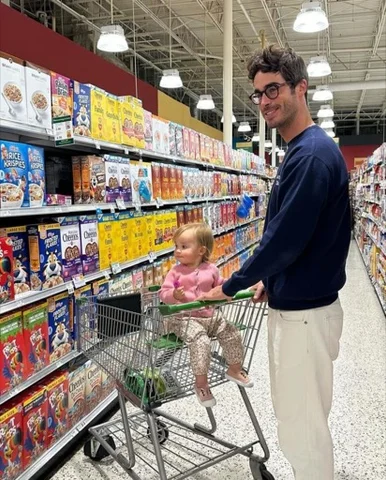
Real-world examples where you are likely to encounter the label include: breakfast cereals containing corn or soy, tortilla chips, canola oil blends, tofu and edamame products, and some frozen meals. For a closer look at how other label claims work alongside this one, the Nutrition Facts label explained guide covers the full panel in plain language.
What bioengineered does not tell you
The BE disclosure is purely an identity label. It tells you that modified genetic material is detectable. It does not:
- Indicate a safety risk. The FDA's overview of plant biotechnology states that bioengineered foods currently on the market have been evaluated and are considered safe to eat.
- Tell you anything about pesticide use, processing level, or nutritional quality.
- Replace organic certification or Non-GMO Project verification if those standards matter to you.
If your concern is about ultra-processed ingredients, additives, or the overall quality of a product, the BE label is only one small data point. Understanding the full food additives list gives you a more complete picture of what is actually inside a package.
Consumer interest in bioengineered labeling has grown alongside broader conversations about food transparency, including discussions in the MAHA movement about what US regulations do and do not require compared to other countries. Whatever your starting point, reading the label carefully and knowing what each claim legally means is the most practical first step.
Conclusion
The bioengineered food label is a mandatory USDA disclosure that has been fully in effect since January 2022. It applies when detectable modified genetic material is present in a final food product, but it exempts highly refined ingredients, organic products, and small manufacturers. It is not the same as a Non-GMO Project seal, and its absence does not guarantee a product is free from bioengineered crops. Knowing the legal definition helps you decide which labels actually align with your priorities at the grocery store. If you want to go further and instantly decode bioengineered disclosures, additive flags, and ultra-processed warnings on any package you pick up, Osana is the iOS food scanner that does it in one scan.
Frequently asked questions
Is bioengineered food safe to eat?
According to the FDA and a broad scientific consensus, bioengineered foods currently approved in the United States are considered safe. The BE label is a disclosure of identity, not a safety warning. You can review the FDA's position at fda.gov.
Why do some products say "Non-GMO" but also show a bioengineered symbol?
These two labels use different standards. The Non-GMO Project tests for the presence of bioengineered material at a lower threshold and covers a wider range of inputs. It is possible for a product to meet one standard but not the other depending on testing methodology and ingredient sourcing.
Does "contains bioengineered food ingredients" mean the whole product is bioengineered?
No. The phrase means at least one ingredient in the product contains detectable modified genetic material. The rest of the ingredients may be conventional.
Why don't highly refined oils from bioengineered crops require a label?
The USDA standard requires detectable modified DNA in the final food. Refining processes like those used to make soybean oil or corn syrup typically remove DNA fragments below the detectable threshold, so no disclosure is triggered even if the source crop was bioengineered.
Does organic mean non-bioengineered?
USDA Certified Organic standards prohibit the intentional use of bioengineered ingredients. Organic products are exempt from the BE disclosure requirement. However, trace cross-contamination is possible in some supply chains, which is why the Non-GMO Project offers separate verification even for organic products.
When did the bioengineered food label become mandatory?
The USDA finalized the National Bioengineered Food Disclosure Standard in December 2018. Mandatory compliance for most manufacturers took effect on January 1, 2022.
Get the cleaner swaps list before your next grocery run.
One short email a week: new label checks and better-for-you products we actually tested.
No spam. Unsubscribe anytime.

Choose cleaner swaps before they land in your cart.
Use Osana at Whole Foods, Trader Joe's, Target, Costco, or Walmart to compare labels faster and shop with more confidence.