Is cheese ultra-processed? Natural vs processed cheese on the label
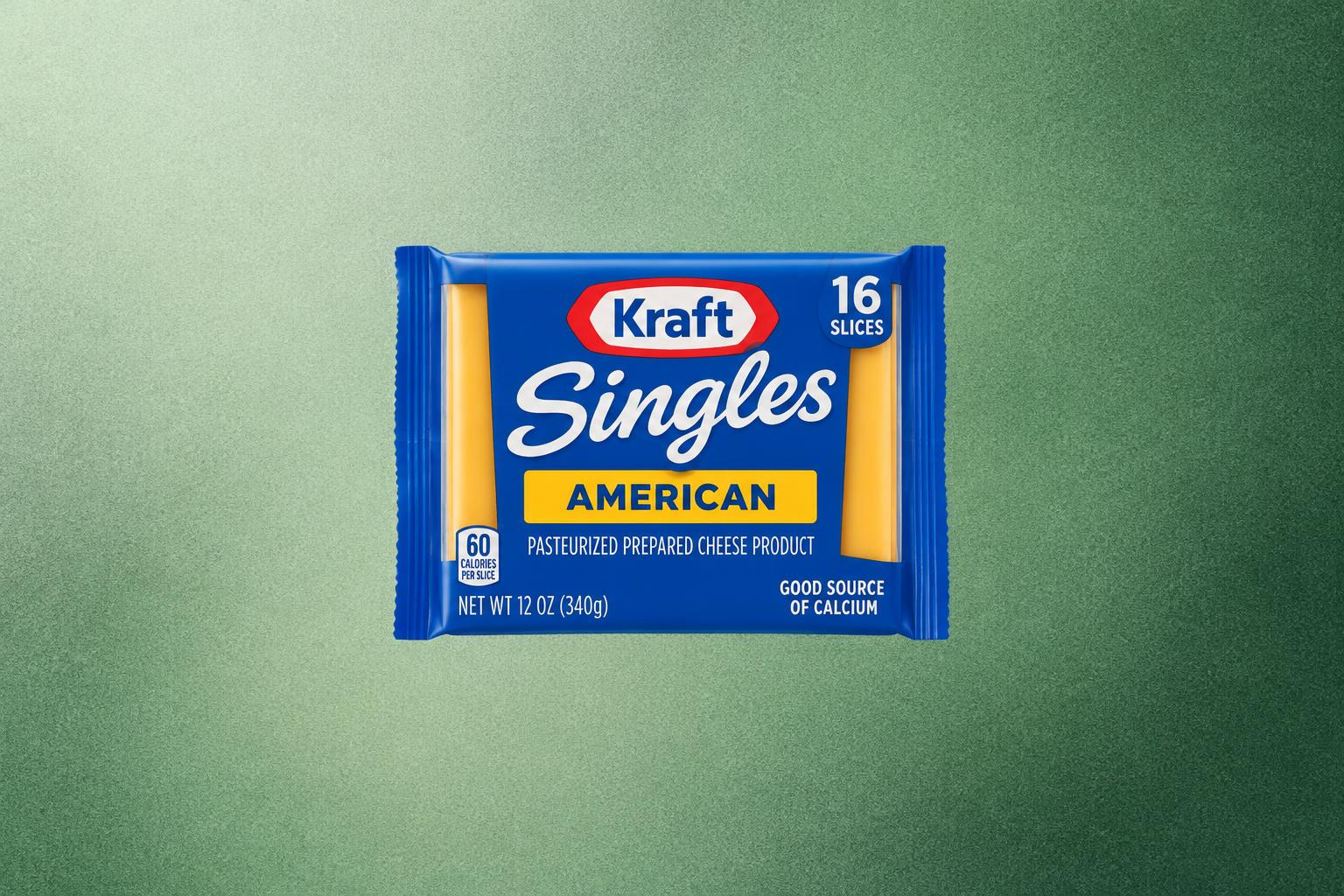
Is cheese ultra-processed? For most block cheese, no. A traditional cheddar is made from milk, cultures, salt and enzymes, and the NOVA system lists cheeses as processed foods, not ultra-processed ones. The picture changes with individually wrapped slices, spreads and anything labeled "cheese product." Process slices are cheese heated with emulsifying salts, sometimes plus color, acids or mold inhibitors, and spreads and cheese products go further. By NOVA's logic, those formulations lean ultra-processed. The good news is that you can tell the difference in a few seconds: the legal name on the package and the ingredient list give it away.

Find the controversial ingredients already in your kitchen.
Scan packaged foods at home, understand ingredients, and find healthier alternatives in seconds.




 Scan with Osana
Is cheese ultra-processed? The short answer
Most cheese is processed, not ultra-processed. The NOVA classification, described in a 2019 report for the FAO, lists cheeses among processed foods in group 3 (Monteiro et al., FAO 2019). Ultra-processed foods in group 4 are formulations built from industrial ingredients, often with cosmetic additives such as emulsifiers, flavors and colors.
So the useful question is not "is this cheese processed?" It is "how far has this product moved away from cheese?" The spectrum below shows four common stops in a US dairy case, and our guide to the NOVA food classification covers the full system.
Why cheddar counts as processed, not ultra-processed
Cheddar is processed because making it takes real steps, but its ingredients are still recognizable foods. Milk is cultured, set with enzymes, salted and aged. Some cheddars add annatto, a plant-based color, which is why one block can be orange and another white.
Ultra-processed status is about formulation, not about whether cheese is "bad." A slice of process cheese and a wedge of cheddar can both have a place in a family kitchen. What NOVA's lens helps you see is how much of a product comes from industrial ingredients and additives rather than from the food itself. Our explainer on what ultra-processed food is covers the signs to look for.
Processed is not the same as ultra-processed: cheese sits in NOVA's processed group, while ultra-processed foods are industrial formulations with cosmetic additives. Our guide to processed vs ultra-processed foods shows the difference with side-by-side label examples.
Processed cheese vs natural cheese: read the legal name
The fastest clue is the name printed on the package, often in smaller type below the brand. Federal standards decide which names a cheese can use, so this wording is not marketing. It tells you what kind of food is inside, even when the front shows a wedge of farmhouse cheddar.
Pasteurized process cheese
A label reading "pasteurized process American cheese" follows a federal standard, 21 CFR 133.169. Under it, one or more cheeses are ground, mixed and heated with an emulsifying agent into a uniform, smooth mass (Cornell LII, 21 CFR 133.169). The emulsifying salts keep it smooth, which is why process slices melt so evenly.
Cheese food, cheese spread and cheese product
Each step down this name ladder adds distance from plain cheese. "Pasteurized process cheese food" has its own separate federal standard, 21 CFR 133.173. A "cheese spread" is softer still. "Cheese product" is the term used when a food does not meet a federal cheese standard, so it cannot simply be called cheese.
| Name on the package | What it means | NOVA-style read |
|---|---|---|
| Cheddar cheese | A natural cheese made from milk, cultures, salt and enzymes, sometimes colored with annatto | Processed (group 3) |
| Pasteurized process American cheese | Cheese heated and mixed with emulsifying salts such as sodium citrate or sodium phosphate | Leans ultra-processed |
| Pasteurized process cheese food | A separate federal standard (21 CFR 133.173) built on the same heating and mixing process | Ultra-processed |
| Cheese spread | A softer, spreadable product further along the same path, with more added ingredients | Ultra-processed |
| Cheese product | Used when a food does not meet a federal cheese standard | Usually ultra-processed; read the list |
What the federal standard allows in process cheese
The standard for pasteurized process cheese lists exactly what can go in, and it sets limits. Three numbers explain a lot about how slices are made and how long they keep.
The emulsifying agent can be one or a mix of phosphates, pyrophosphates, citrates and tartrates. Optional ingredients include acids such as vinegar or lactic acid, cream, water, salt, artificial color and spices (eCFR, 21 CFR 133.169). Slices may also carry lecithin as an anti-sticking agent, up to 0.03% by weight, which helps them peel apart.
These are permitted ingredients with set limits. Still, cheese plus emulsifying salts, color and preservatives is the kind of formulation NOVA's group 4 describes. For more on two of them, see potassium sorbate in food and lecithin in food.
Shredded cheese, slices and cream cheese
The format you buy changes the ingredient list, even when the cheese is the same. Here's what usually shifts between the block, the bag, the slice and the tub.
Shredded cheese
Bagged shredded cheese usually starts as natural cheese, so it stays close to the block. It often adds an anti-caking agent such as potato starch or cellulose, so the shreds don't clump, and a mold inhibitor such as natamycin. By NOVA's logic, it still sits near the processed end. If you want the shortest list, shredding a block at home is the simple fix.
Cheese slices
Not every slice is process cheese. Some sliced cheddar is natural cheese cut thin, and its legal name will simply say "cheddar cheese." Individually wrapped slices are usually pasteurized process cheese. The standard lets these packaged slices carry sorbic acid or sorbates up to 0.2%, or sodium or calcium propionate up to 0.3%, by weight (21 CFR 133.169).
Cream cheese
Cream cheese is its own case, and the process cheese standard excludes it as a base cheese. A plain block is typically made from milk and cream with cultures and salt, and some versions add a gum as a stabilizer. Judge each tub by its list: a short one reads as processed, while flavors, colors and extra thickeners lean ultra-processed by NOVA's logic.
How to shop the dairy case
Read the legal name first, the ingredient list second and the sodium line third. That order takes a few seconds per package and sorts most cheeses correctly.
Look for
- A legal name that is just the cheese, such as "Cheddar cheese"
- Short lists: milk, cultures, salt, enzymes
- Annatto as the only color, if any color is listed
- Blocks you can slice or shred at home
- Sodium per serving, compared across similar cheeses
Buy less often
- "Cheese food," "cheese spread" or "cheese product" when you want plain cheese
- Long lists with emulsifying salts, colors and flavors
- Front-of-pack wording like "made with real cheese" taken as proof
- Choosing by the photo instead of the legal name
Processing level and sodium are two separate questions. A natural cheese can still be salty, so compare the Nutrition Facts panel between options; our guide to spotting hidden sodium on food labels shows how. For the full method, see how to read food ingredient labels.
Frequently asked questions
Is American cheese ultra-processed?
Many American cheese slices are labeled "pasteurized process American cheese," meaning cheese heated and mixed with emulsifying salts. By NOVA's logic, that formulation leans ultra-processed. Others say "cheese food" or "cheese product," which sit even further from plain cheese, so check the legal name.
Is cheddar cheese processed?
Yes, but in the NOVA group 3 sense. Traditional cheddar is made from milk, cultures, salt and enzymes, sometimes with annatto, and NOVA lists cheeses as processed foods rather than ultra-processed ones.
Is cream cheese ultra-processed?
A plain cream cheese with a short list reads as processed by NOVA's logic. Flavored or whipped versions can add gums, flavors and other additives, so read the ingredient list before you decide.
Conclusion
Cheese is processed, but most block cheese is not ultra-processed. Cheddar made from milk, cultures, salt and enzymes sits in NOVA's processed group. Process cheese slices, cheese food, spreads and "cheese product" move further away. Their emulsifying salts and other additives push them toward ultra-processed by NOVA's logic.
You don't have to give up the slices your kids like. Read the legal name, scan the list, check sodium, and reach for the block more often when it suits your family. Our minimally processed foods list is a good next step.
If you'd like to see a cheese's processing level and additives before it goes in your cart, try scanning it with Osana on your next grocery run.
Sources
- Cornell Law School Legal Information Institute, 21 CFR 133.169, "Pasteurized process cheese", accessed October 2026.
- eCFR, Title 21, Section 133.169, "Pasteurized process cheese", accessed October 2026.
- Monteiro C.A. et al., "Ultra-processed foods, diet quality, and health using the NOVA classification system," FAO, 2019.