Is sesame oil healthy? What the evidence says for US shoppers
 By Clement7 min read
Find the controversial ingredients already in your kitchen.
Scan packaged foods at home, understand ingredients, and find healthier alternatives in seconds.




 Scan with Osana
The short answer
For most people, sesame oil can be part of a healthy diet when used in normal cooking amounts. It is mostly unsaturated fat, contains natural compounds called lignans (sesamin and sesamol), and is often less heavily processed than many other seed oils, especially in toasted or cold-pressed forms. The evidence does not show that sesame oil is uniquely harmful, but it also does not support treating it as a health food. It is still a concentrated fat, and it is a major food allergen.
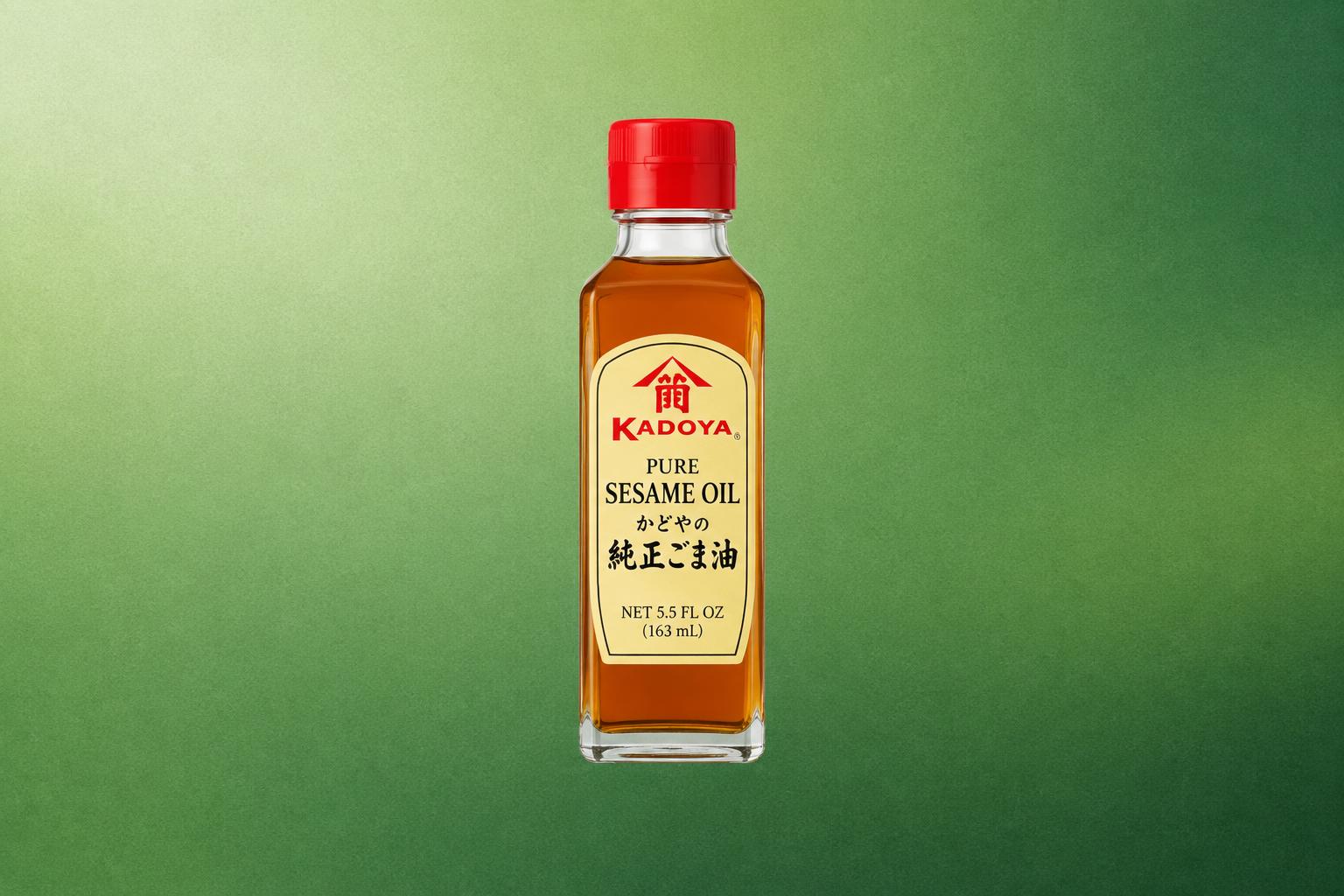
What sesame oil is
Sesame oil is pressed from the seeds of Sesamum indicum. In US stores you will usually see three styles:
- Toasted (dark) sesame oil: made from roasted seeds, amber to brown, strongly nutty. Used in small amounts as a finishing or flavoring oil. Kadoya and many store brands sold at Target, Walmart, and Asian grocers fall here.
- Cold-pressed or unrefined (light) sesame oil: pale gold, milder, pressed without high heat. Common at Whole Foods and in brands sold as "virgin" or "expeller-pressed."
- Refined sesame oil: filtered, bleached, and deodorized for a neutral taste and higher smoke point. Often sold for high-heat cooking or used in packaged foods.
How sesame oil is refined
Much of the seed oil debate is really about processing. Many high-volume oils, like soybean and canola, are commonly extracted with the solvent hexane and then refined, bleached, and deodorized (RBD). Sesame oil differs in two ways:
- Toasted and cold-pressed sesame oils are usually mechanically pressed, meaning the oil is squeezed out rather than solvent-extracted. "Expeller-pressed" and "cold-pressed" on the label indicate this.
- Refined sesame oil can go through RBD steps, which improve heat stability and shelf life but remove some flavor compounds and antioxidants.
If processing is your main concern, the method words on the front label are the most useful clue. "Pure sesame oil" alone does not tell you how it was made.
Sesame oil nutrition
According to USDA FoodData Central, one tablespoon (about 13.6 g) of sesame oil provides roughly:
| Nutrient | Approximate amount |
|---|---|
| Calories | 120 |
| Total fat | 13.6 g |
| Saturated fat | ~2 g |
| Monounsaturated fat | ~5.4 g |
| Polyunsaturated fat | ~5.6 g (mostly omega-6 linoleic acid) |
| Vitamin E | small amount |
| Protein, carbs, fiber | 0 g |
You can check the full profile in USDA FoodData Central. The fat split is close to half monounsaturated and half polyunsaturated, which puts sesame oil between olive oil (mostly monounsaturated) and soybean or corn oil (mostly polyunsaturated).
What makes sesame oil different is its lignans. Sesamin, sesamolin, and sesamol act as antioxidants and help explain why sesame oil resists going rancid better than many oils with a similar fat profile.
Is sesame oil a seed oil?
Yes. Sesame oil is a seed oil by any botanical definition, and it often appears on lists of oils that some wellness creators say to avoid. If you are sorting your pantry, our list of seed oils and their label names covers the full group.
But "seed oil" is a broad category. The concerns you hear about online usually focus on:
- High omega-6 content in the overall diet
- Industrial solvent extraction and refining
- Heavy use in ultra-processed foods and deep fryers
Sesame oil is high in omega-6, but it is rarely solvent-extracted in its toasted and cold-pressed forms, and most home cooks use a teaspoon or two for flavor rather than cups for frying. That context matters more than the label "seed oil" by itself.
Is sesame oil inflammatory?
This is the question behind a lot of searches, and the honest answer is that current evidence does not show that sesame oil causes inflammation in people eating typical amounts.
The omega-6 worry comes from the idea that linoleic acid converts into inflammatory compounds. In human studies, however, higher linoleic acid intake has generally not been shown to raise blood markers of inflammation. The American Heart Association reviewed this question and supported omega-6 fats as part of a heart-healthy diet (AHA science advisory).
On sesame oil specifically, small clinical trials have looked at markers like blood pressure, cholesterol, and oxidative stress. A systematic review and meta-analysis on sesame and sesame oil suggests modest effects on some markers, but the studies are small, short, and often done in specific populations. That is interesting, not conclusive. It is fair to say sesame oil is not shown to be inflammatory, and unfair to say it is proven anti-inflammatory.
Is sesame oil bad for you in any situation?
A few real considerations are worth knowing:
- Sesame allergy. Since the FASTER Act took effect on January 1, 2023, sesame is the ninth major food allergen in the US and must be declared on labels (FDA on sesame labeling). Highly refined oils from some allergens can be exempt, but sesame oils are often unrefined and can contain protein. People with a sesame allergy should talk with their allergist before using any sesame oil.
- Overheating. Toasted sesame oil has a low smoke point and turns bitter and smoky when used for high-heat frying. Use it at the end of cooking.
- Rancidity. Old oil smells like crayons or paint. Buy smaller bottles and store them away from the stove.
- Calories. At about 120 calories per tablespoon, free pouring adds up quickly.
How sesame oil appears on US labels
On a bottle, look for:
- "Toasted" or "roasted": for flavor, not frying
- "Cold-pressed," "expeller-pressed," or "unrefined": mechanically extracted
- "100% pure sesame oil": important, because some cheaper bottles are blends with soybean or canola oil. The ingredient list will say so, sometimes in small print.
- Dark glass and a harvest or best-by date: better protection from light and oxidation
In packaged foods, sesame oil shows up as "sesame oil," "toasted sesame oil," or in a "Contains: Sesame" allergen statement. You will see it in Trader Joe's Asian-style sauces, frozen dumplings and potstickers, stir-fry kits, bottled dressings, and ramen seasoning packets. Often it appears alongside other oils, so a sauce listing "soybean oil, sesame oil" is mostly soybean oil. Ingredients are listed by weight, so the first oil named is the main one.
If a product lists sesame oil but also has a long run of additives and flavorings, the oil is probably not the ingredient worth worrying about. Our guide on how to spot hidden sodium on food labels is useful here, since many sesame-flavored sauces are very high in salt.
A practical shopping approach
- Keep one small bottle of toasted sesame oil for finishing noodles, rice, and vegetables.
- For high-heat cooking, use an oil suited to heat rather than your toasted bottle.
- Check blends by reading the ingredient list, not just the front label.
- Judge sesame-containing packaged foods by the whole label, including sodium, sugar, and processing, not by the oil alone.
Conclusion
Sesame oil is a seed oil, but it does not fit neatly into the worst-case story often told about seed oils. It is usually mechanically pressed, it has natural antioxidants, and current evidence does not show it is inflammatory at normal intake. It is not a superfood either, and it is a real concern for anyone with a sesame allergy. Use it for flavor, store it well, and read the label for blends and allergen statements. If you want a faster way to check the oils, allergens, and additives in your pantry, try scanning a few products with Osana.
Frequently asked questions
Is toasted sesame oil healthier than regular sesame oil?
Neither is clearly healthier. Toasted oil is mechanically pressed and flavorful but should not be heated much. Refined oil handles heat better but is more processed.
Can you fry with sesame oil?
Refined or light sesame oil can handle stir-frying. Toasted sesame oil is best added at the end, because it smokes and turns bitter at high heat.
Does sesame oil need to be refrigerated?
Not usually, but storing it in a cool, dark place helps it last longer. Refrigerating an opened bottle can extend freshness if you use it slowly.
Is sesame oil safe for kids?
For children without a sesame allergy, small cooking amounts are common in many cuisines. If allergy is a concern, ask your pediatrician about introducing sesame.
Get the cleaner swaps list before your next grocery run.
One short email a week: new label checks and better-for-you products we actually tested.
No spam. Unsubscribe anytime.

Choose cleaner swaps before they land in your cart.
Use Osana at Whole Foods, Trader Joe's, Target, Costco, or Walmart to compare labels faster and shop with more confidence.