Healthy snacks for weight loss: a label-smart US grocery guide
The snacks that actually hold you until dinner share three things: protein, fiber, and a short ingredient list. Here is how to spot them at Target, Costco, Trader Joe's, and Walmart.
Practical, research-aware guides to reading food labels, understanding ingredients and additives, comparing food scanner apps, and choosing healthier grocery products.

The snacks that actually hold you until dinner share three things: protein, fiber, and a short ingredient list. Here is how to spot them at Target, Costco, Trader Joe's, and Walmart.

Yuka scores nutrition, additives and organic status, but it does not publish a NOVA processing grade. Here is what a scan actually tells you, and the five things to check yourself.

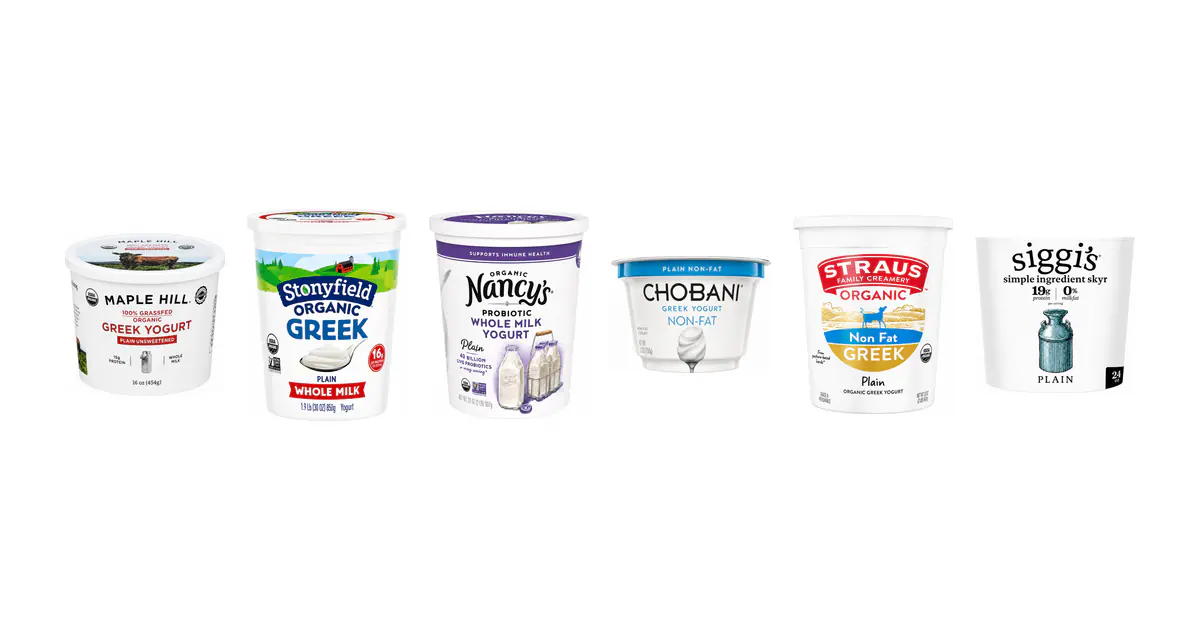
The six highest-scoring yogurts in Osana's database, ranked from 96 to 90, plus what those scores actually tell you when you compare tubs at the store.

Allulose is a rare sugar that tastes and bakes like sugar; stevia is a plant-derived high-intensity sweetener. Here is what each one does in real grocery products, what the evidence says, and how to read the label.

NOVA sorts food by how much it has been processed, not by calories. Here is what groups 1 to 4 actually mean, with real US grocery examples and the limits researchers point out.

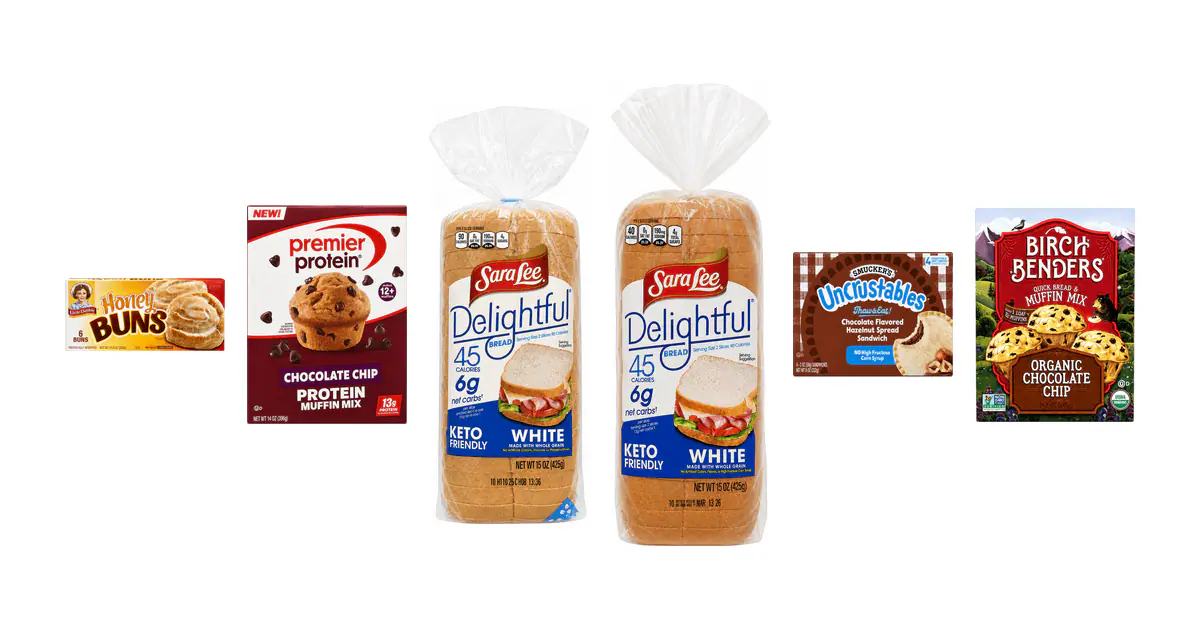
A calm look at six of the lowest-scoring breads and bakery mixes in our database, ranked from lowest score up, plus the label cues that point you toward better loaves.

Yuka scores food and cosmetics from 0 to 100, while Trash Panda flags questionable ingredients in US groceries. Here is how the two scanners really differ at the shelf.

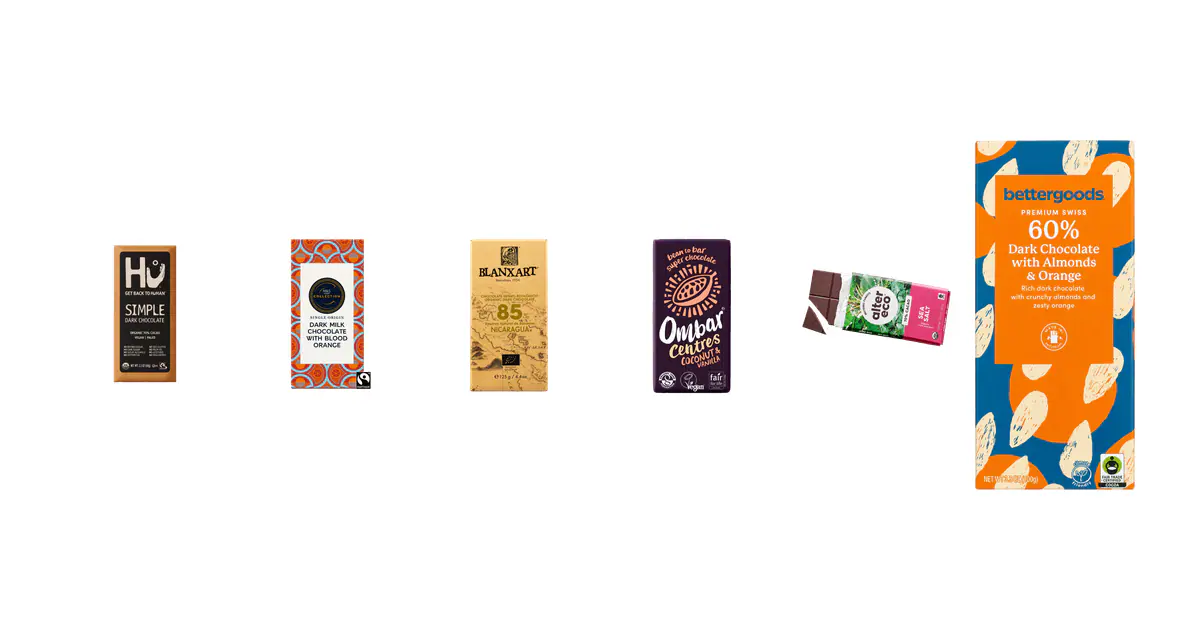
See six of the highest-scoring chocolate bars ranked from 96 to 88, plus the label cues that separate a cocoa-rich bar from a candy bar in disguise.

A label-smart shopping guide to low sodium snacks in US stores, comparing sodium per serving, protein, fiber, added sugar and ingredient quality at Target, Costco, Trader Joe's and Walmart.