7 min read
Yuka vs EWG Healthy Living: Which Scanner Fits Your Needs?
A US shopper comparison of Yuka vs EWG Healthy Living: scoring direction, food and cosmetics coverage, database size, free versus paid features, and who should pick each app.
Practical, research-aware guides to reading food labels, understanding ingredients and additives, comparing food scanner apps, and choosing healthier grocery products.
A US shopper comparison of Yuka vs EWG Healthy Living: scoring direction, food and cosmetics coverage, database size, free versus paid features, and who should pick each app.
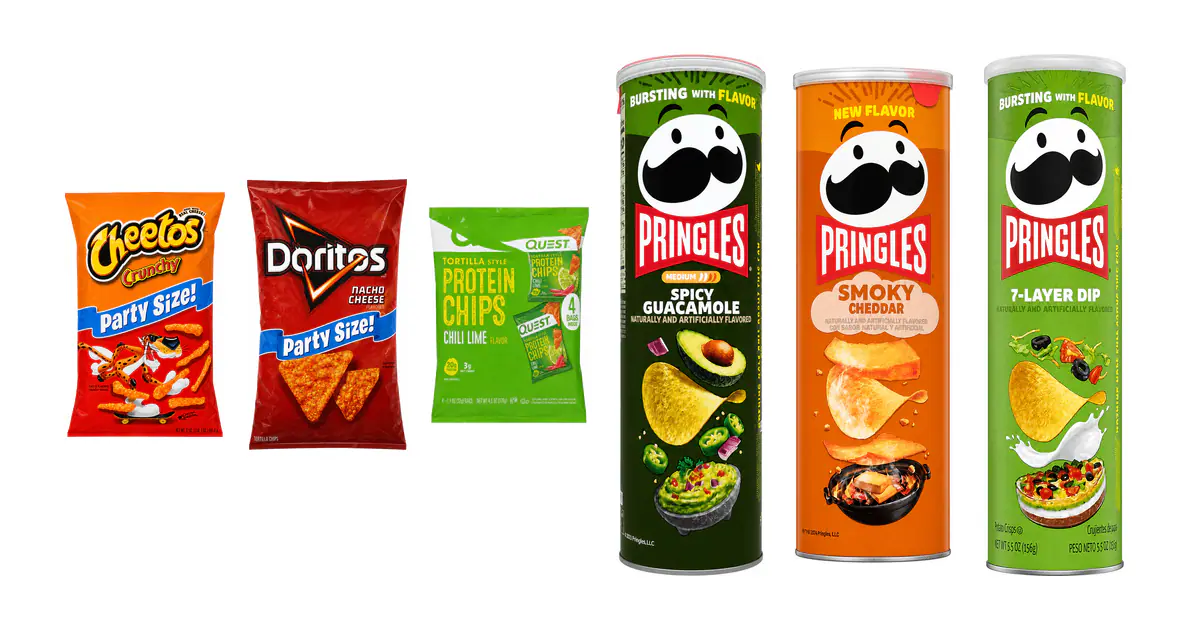
A calm look at six of the lowest-scoring chips and salty snacks in our database, ranked from lowest score up, plus the label cues that point you toward better bags.
What sodium benzoate actually does in food, which US grocery categories use it most, what regulators and researchers say, and how to spot it on a label in seconds.
Fig is built for allergies and personal diet filters, not additive deep dives. Here are the best Fig app alternatives for US shoppers who want ingredient and ultra-processing insight.
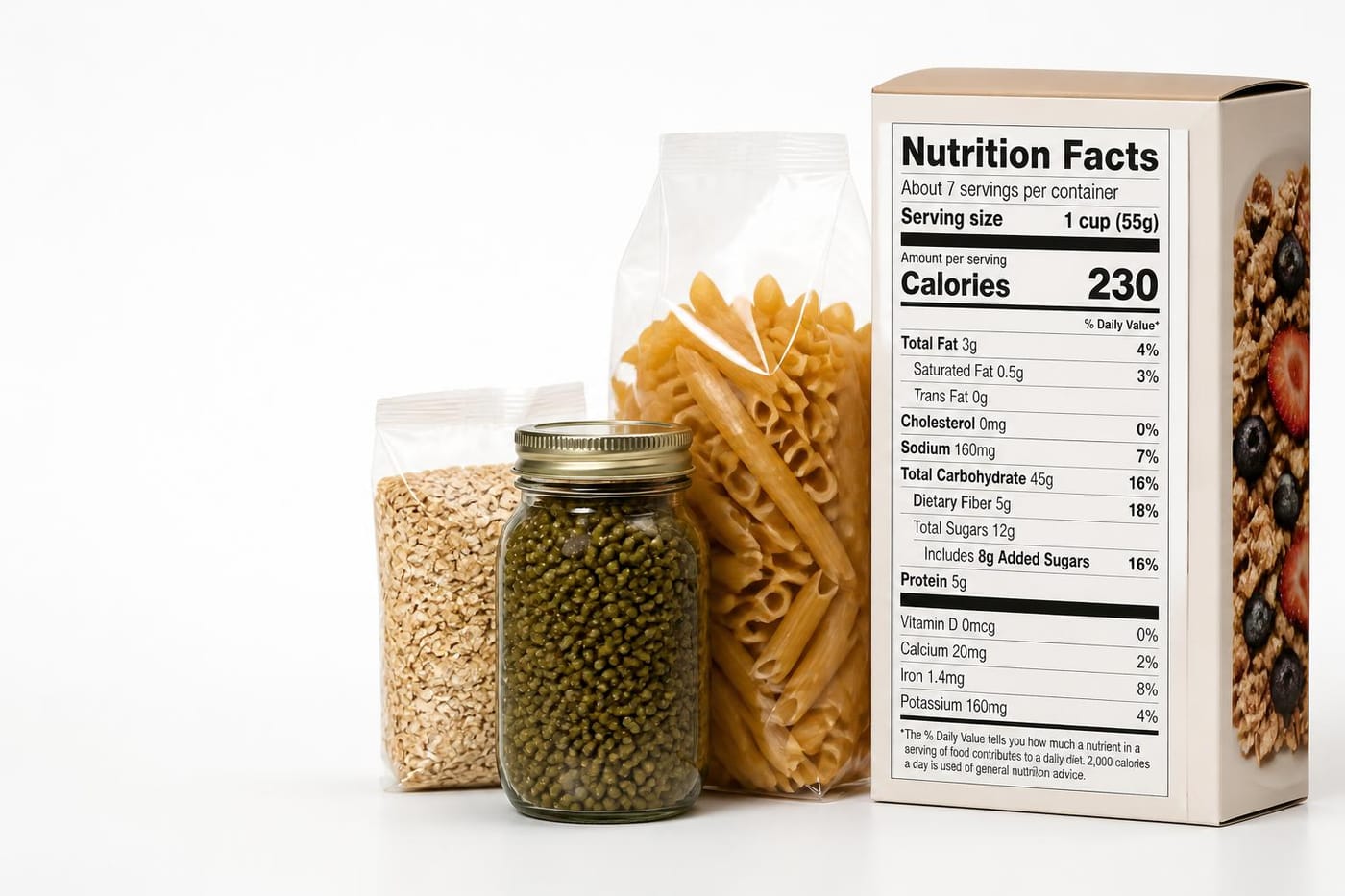
A practical guide to the daily value on nutrition labels: what %DV means, the 5/20 rule, serving-size traps, and a quick routine for comparing packaged foods in the aisle.
Yuka's free tier covers more than most users realize. This breakdown explains every Premium feature, the exact US pricing structure, and who actually benefits from upgrading.
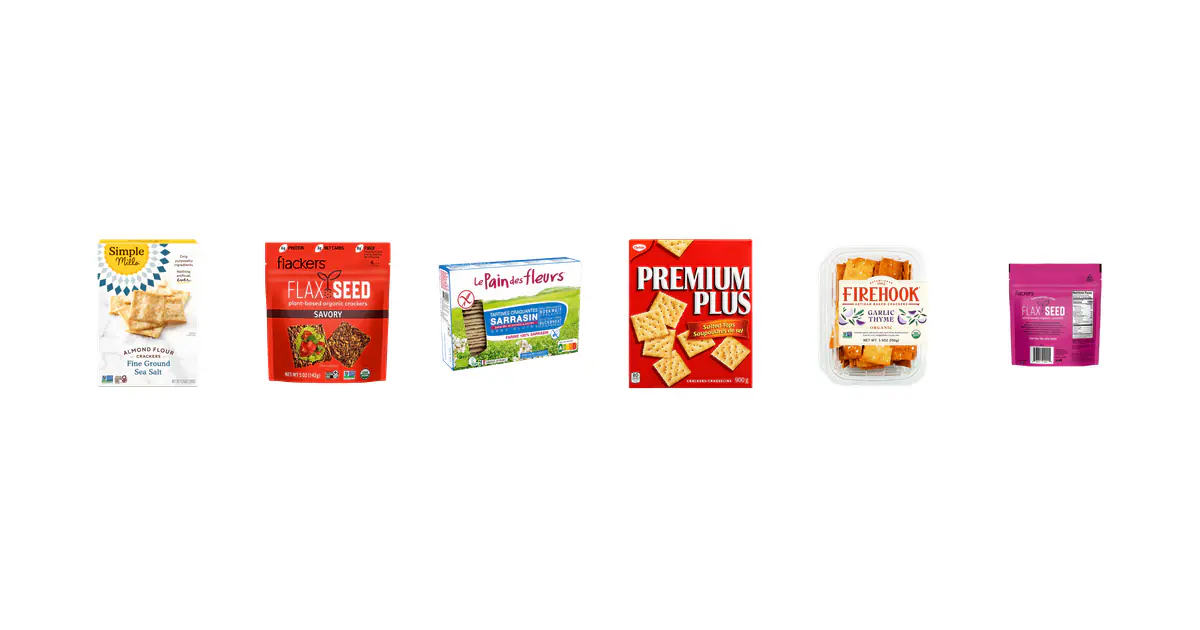
Looking for the healthiest crackers to buy? See six top-rated crackers products ranked by Osana score, with practical tips for smarter snack shopping.
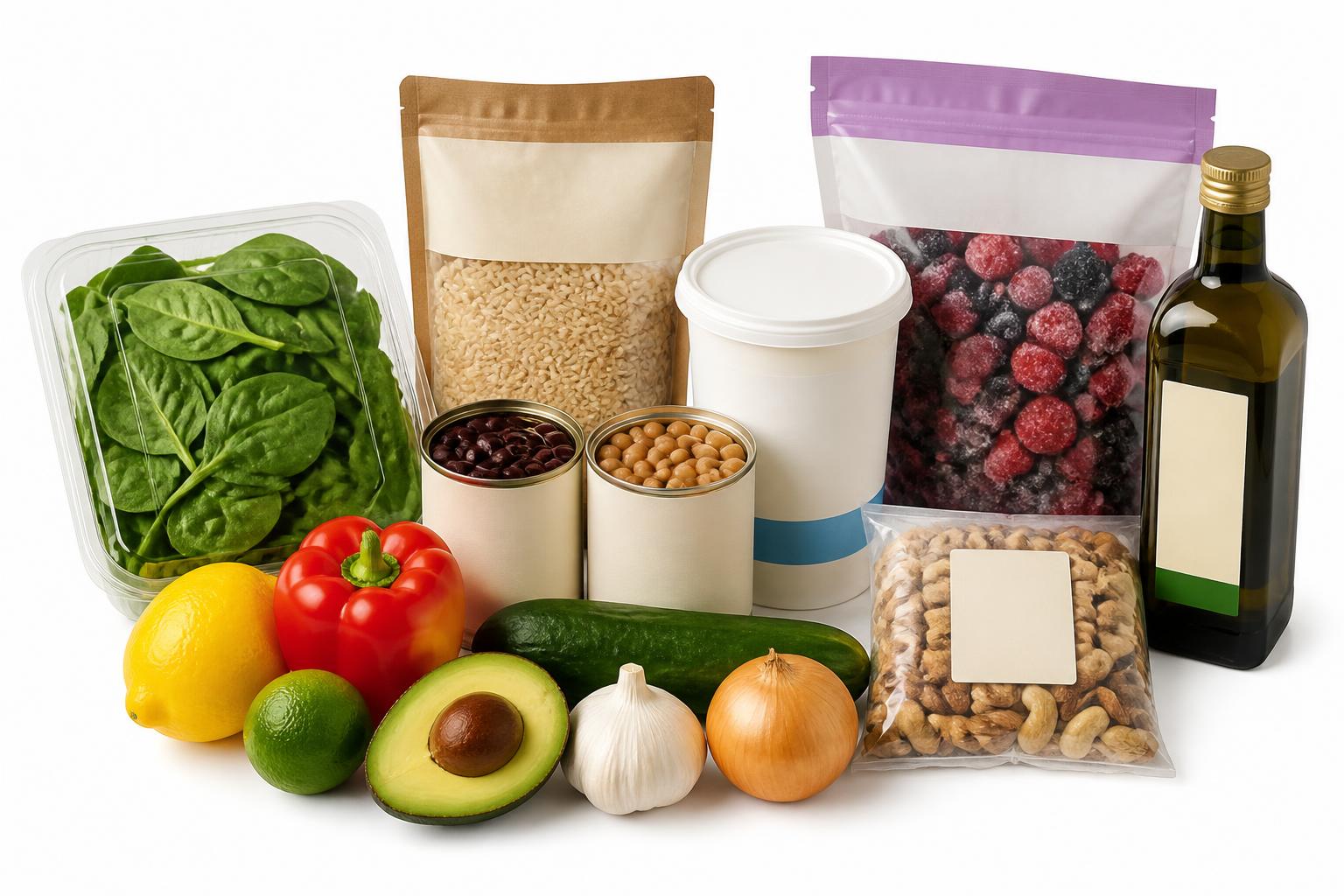
A category-by-category guide to the best healthy Trader Joe's groceries, with label-reading tips and additive flags to help you shop smarter.
Yuka scores food using nutrition, additives, and organic status. Bobby Approved applies a creator-defined ingredient framework. Compare their methods, features, and prices.