Modified food starch: what it is, why it's in your food, and what the evidence says
 By Clement7 min read
Find the controversial ingredients already in your kitchen.
Scan packaged foods at home, understand ingredients, and find healthier alternatives in seconds.




 Scan with Osana
What is modified food starch?
Modified food starch is ordinary starch, usually from corn, potato, tapioca, or wheat, that has been treated with heat, enzymes, or approved chemicals so it performs better in processed food. The change makes it thicken more reliably, stay stable when frozen or heated, or resist separating on the shelf. Food regulators in both the US and the EU consider approved modified starches safe at typical intakes, but their presence usually signals a more processed product.
The word "modified" worries many shoppers because it sounds like genetic modification. It does not mean that. It refers to how the starch was processed after it was extracted from the plant. The starch itself could come from a genetically engineered crop such as conventional corn, but that is a separate question.
Why manufacturers use it
Native starch, the kind in the flour or cornstarch in your pantry, has practical limits in factory food. It can break down under high heat or acid, turn watery after freezing and thawing, and lose texture over weeks on a shelf. Modifying the starch fixes those problems. Common goals include:
- Freeze-thaw stability, so frozen lasagna sauce does not weep water in your oven
- Acid and heat tolerance, useful in canned soups, fruit fillings, and salad dressings
- Creamy mouthfeel with less fat, common in "light" or low-fat products
- Emulsion support, helping oil and water stay mixed in dressings and beverage concentrates
- Crisp coatings, in battered frozen fish, fries, and chicken nuggets
In short, the modified food starch ingredient is a texture and stability tool. It adds calories similar to other starches (about 4 per gram) but little nutrition beyond that.
How starch gets modified
There are three broad approaches:
- Physical modification, such as pregelatinizing (cooking and drying) starch so it thickens without heat. These are often labeled simply as starch in some contexts.
- Enzymatic modification, where enzymes break starch into shorter chains.
- Chemical modification, using small, regulated amounts of agents to create acetylated, cross-linked, oxidized, or hydroxypropylated starches.
In the US, chemically modified starches are governed by a specific federal regulation, 21 CFR 172.892, which lists the permitted treatments and their limits. The label name is usually "modified food starch" or "food starch-modified."
Foods with modified food starch: common US grocery categories
You will find foods with modified food starch in almost every center aisle. Typical examples:
- Yogurt and dairy desserts: fruit-on-the-bottom cups, low-fat yogurts, pudding cups
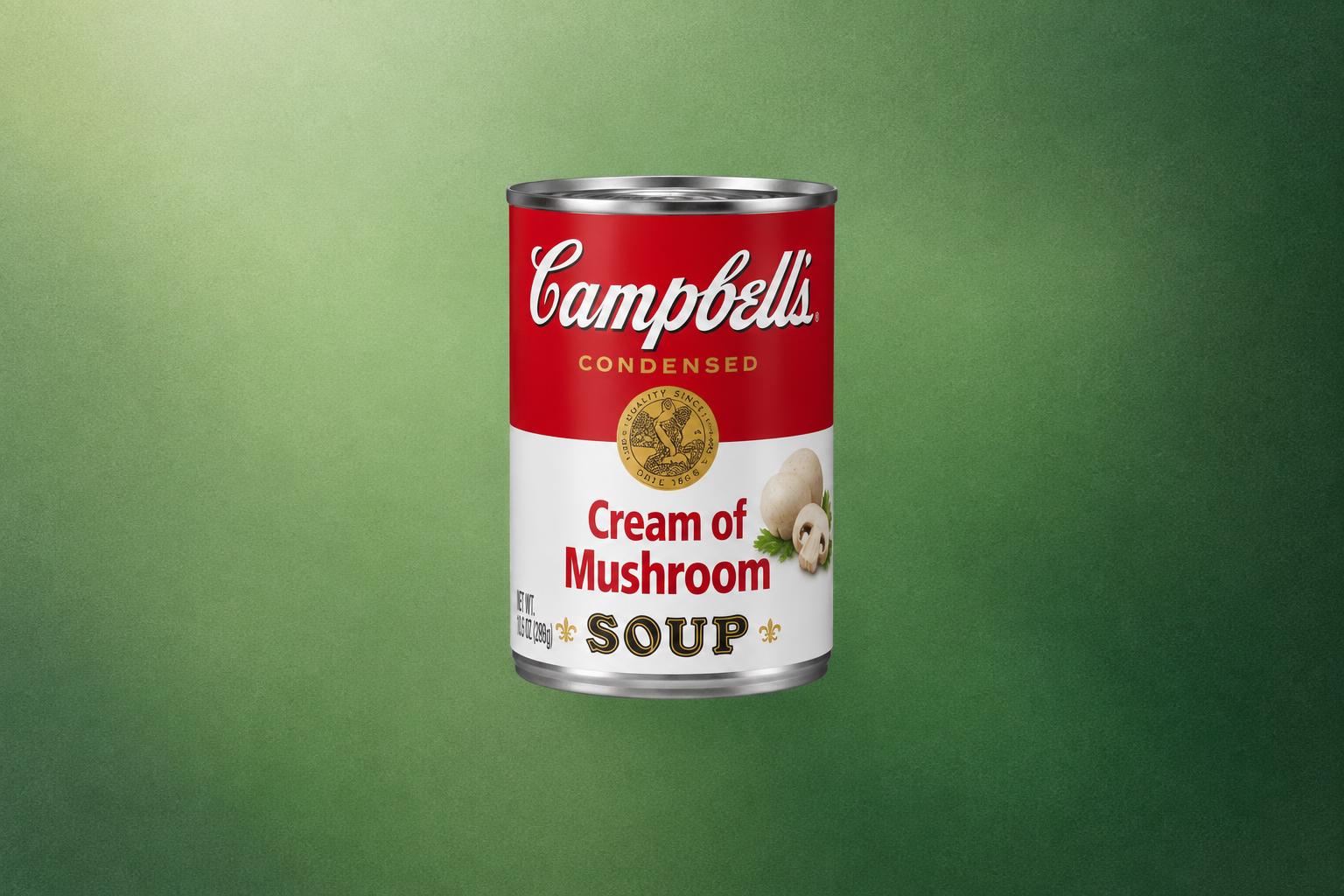
- Soups and sauces: canned cream soups, jarred Alfredo, gravy mixes, cheese sauce
- Frozen meals: pot pies, mac and cheese, breaded chicken, stir-fry kits
- Salad dressings and dips: especially reduced-fat ranch and creamy dressings
- Baked goods and fillings: pie fillings, frosting, packaged muffins
- Snacks and candy: gummies, coated nuts, flavored chips
- Deli meats and plant-based meats: used for binding and moisture retention
- Infant and toddler foods: some formulas and baby food purees use specific modified starches
A practical scenario: you compare two tubs of vanilla yogurt at Target. One lists milk, cultures, cane sugar, and vanilla. The other adds modified corn starch, pectin, and natural flavor. Neither is unsafe, but the second relies more on processing to deliver texture.
What the FDA and scientific evidence say
Here is where the evidence stands, with its uncertainties.
US status. The FDA permits specific modified starches as food additives under the regulation above, with defined treatment limits. They are not "loopholes" or unapproved chemicals.
European status. Modified starches are also approved in the EU, where they carry E numbers from E1404 to E1452. The European Food Safety Authority re-evaluated these additives in 2017 and concluded there was no need for a numerical acceptable daily intake and no safety concern at reported uses for the general population. EFSA noted some data gaps for infants, and EU rules restrict which modified starches may be used in foods for babies. So if you have seen a video claiming this is "banned in Europe," that is not accurate for modified starch as a category.
Digestion. Most modified starches are digested much like regular starch. Some, especially certain cross-linked or chemically modified types, resist digestion and behave partly like fiber (sometimes marketed as resistant starch). High amounts of these may cause gas or loose stools in sensitive people, similar to other fermentable fibers.
Where uncertainty remains. Research on modified starch as an isolated ingredient is reassuring, but it does not settle the bigger question about ultra-processed diets. Large observational studies link high intake of ultra-processed foods with poorer health outcomes, and modified starch is one of the markers used to classify foods as ultra-processed under the NOVA system. That association concerns overall food patterns, not proof that this ingredient causes harm. If you want more on how NOVA works, see our guide on whether protein bars are ultra processed.
Consumer interest in additives has grown with national conversations, including MAHA-era discussions about US food rules. For modified starch specifically, current regulatory assessments on both sides of the Atlantic are broadly aligned.
Allergies and gluten: the part that really matters
For most families, the most practical concern is the source of the starch.
- Wheat: Under US allergen labeling law, if modified food starch is made from wheat, the label must say so, either as "modified wheat starch" or in a "Contains: Wheat" statement.
- Gluten-free products: A product labeled gluten-free must meet the FDA limit of fewer than 20 parts per million gluten, whatever the starch source. See the FDA gluten-free labeling rule.
- Corn sensitivity: Corn is not a major US allergen, so modified corn starch may appear only as "modified food starch." If someone in your home reacts to corn, contact the manufacturer or choose products that name the source.
How to read modified starch on labels
Modified starch on labels can appear in several forms. Watch for:
- Modified food starch
- Food starch-modified
- Modified corn, potato, tapioca, or wheat starch
- Specific names such as acetylated distarch adipate or hydroxypropyl starch (more common on imported goods)
Neutral label-reading tips:
- Check its position. Ingredients are listed by weight. Modified starch near the end usually means a small amount used for texture.
- Look at the company it keeps. A label with modified starch plus several gums, flavors, and colors is typically highly processed. One stabilizer in an otherwise short list is less notable.
- Compare within the category. Plain Greek yogurt, homemade-style soups, and frozen vegetables without sauce often skip it entirely.
- Do not confuse it with maltodextrin or cornstarch. Plain cornstarch is unmodified. Maltodextrin is a separate, broken-down starch ingredient.
- Check sodium too. Sauces and frozen meals that rely on modified starch are often salty; our guide to spotting hidden sodium on food labels helps with that side of the label.
The bottom line
Modified food starch is a regulated, widely studied thickener that regulators in the US and EU consider safe at normal intakes. It is not genetic modification and not banned in Europe. Its main value to you as a shopper is as a signal: it often points to a more processed food, and its source matters if your family manages a wheat allergy or celiac disease. Choose based on the whole ingredient list rather than one word. If you want a faster way to see these details in the aisle, try scanning your next grocery haul with Osana.
Frequently asked questions
Is modified food starch vegan?
Yes, in almost all cases. It is made from plant starches like corn, potato, tapioca, or wheat.
Is modified food starch the same as cornstarch?
No. Cornstarch is unmodified. Modified corn starch starts as cornstarch and is then treated to change how it behaves in food.
Is modified food starch keto friendly?
Most types are digestible carbohydrates, so they count toward carbs. Amounts in a product are often small, so check total carbohydrates on the Nutrition Facts panel.
Can modified food starch contain gluten?
Only if made from wheat, which US law requires to be declared. Products labeled gluten-free must meet the FDA limit regardless of starch source.
Get the cleaner swaps list before your next grocery run.
One short email a week: new label checks and better-for-you products we actually tested.
No spam. Unsubscribe anytime.

Choose cleaner swaps before they land in your cart.
Use Osana at Whole Foods, Trader Joe's, Target, Costco, or Walmart to compare labels faster and shop with more confidence.