Ingredients banned in Europe but allowed in US food: a fact-checked list
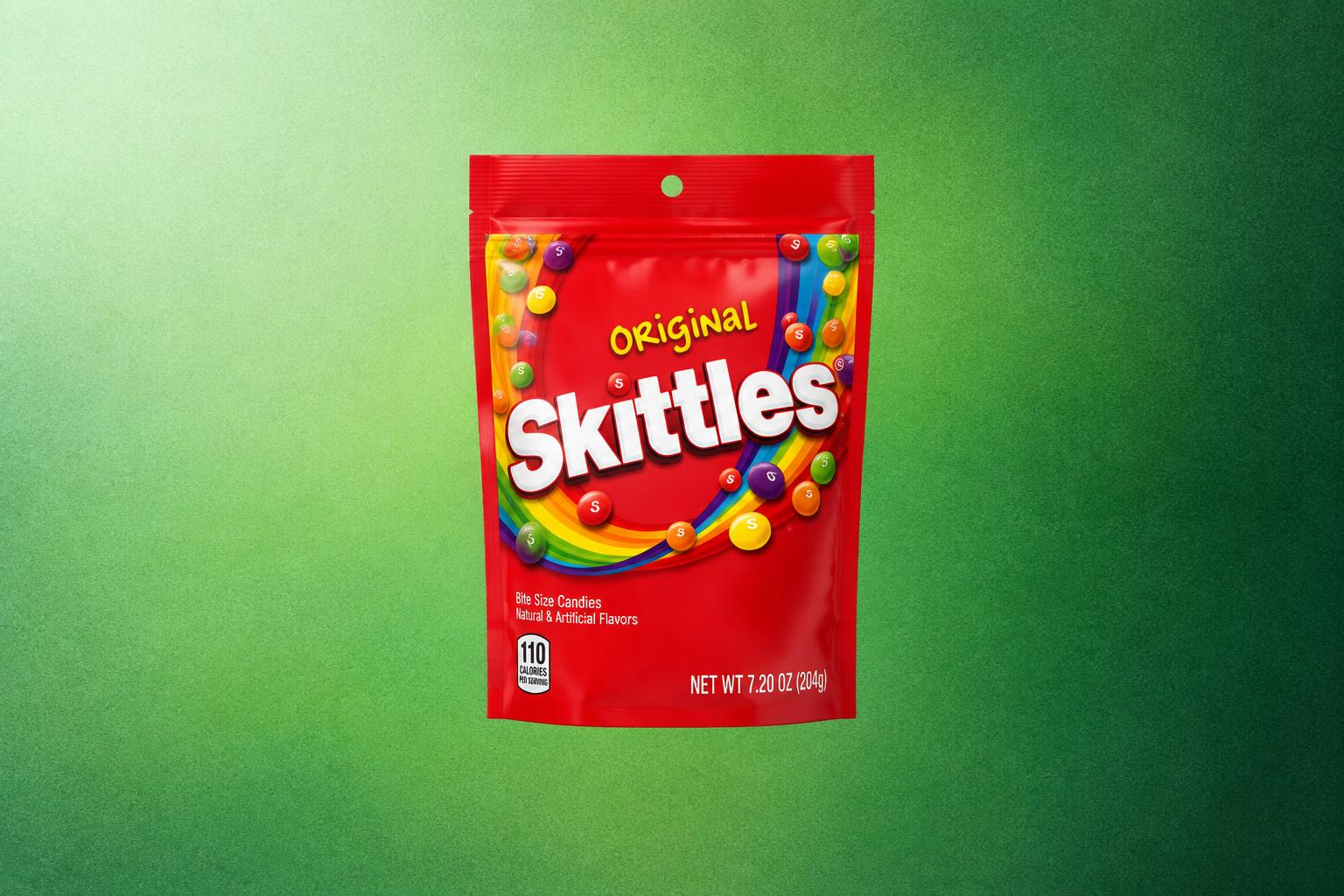
Ingredients banned in Europe but allowed in US food are fewer than viral posts suggest. As of November 2026, the clearest cases are potassium bromate, azodicarbonamide, titanium dioxide and propylparaben. None is authorized as a food additive in the EU, yet all four are still legal in US food. Brominated vegetable oil (BVO) used to belong here, but the FDA revoked it in 2024. Many other "banned" items, like Red 40 or BHA, are actually allowed in Europe, just with a warning label or limits. Here is the fact-checked list.

Find the controversial ingredients already in your kitchen.
Scan packaged foods at home, understand ingredients, and find healthier alternatives in seconds.




 Scan with Osana
Banned, restricted or labeled: the difference matters
Only a few US ingredients are fully off the EU list; most are restricted or carry a warning. In the EU, a food additive can be used only if it appears on the Union list in Regulation (EC) No 1333/2008. That list also sets which foods it may go in, and how much.
That gives four very different outcomes. An ingredient can be absent from the list, allowed in one narrow food, allowed with a mandatory warning, or allowed with maximum levels. Viral lists often lump all four together as "banned."
The fact-checked list: EU vs US status
This table shows where each ingredient actually stands on both sides of the Atlantic. US statuses come from the FDA's own tracking page, current as of October 29, 2026.
| Ingredient | What it does | EU status | US status | Where you find it |
|---|---|---|---|---|
| Potassium bromate | Strengthens dough | Not authorized | Allowed; FDA reviewing information | Some breads, rolls and buns ("bromated flour") |
| Azodicarbonamide (ADA) | Bleaches and conditions flour | Not authorized | Allowed; FDA requested safety data | Some packaged breads and buns |
| Titanium dioxide (E171) | White color, opacity | Banned since 2022 | Allowed; petition to remove it under review | Candy coatings, frosting, some baked goods |
| Propylparaben (E216) | Preservative | Removed in 2006 | Allowed; FDA assessing | Some tortillas and baked goods |
| BVO | Keeps citrus flavor mixed in drinks | Not authorized | Revoked in 2024 | Formerly some citrus sodas |
| Red 3 (E127) | Cherry-red color | Allowed only in certain cherries | Revoked; out of food by Jan 15, 2027 | Candy, cake decorations, some frostings |
| Red 40, Yellow 5, Yellow 6 | Synthetic colors | Allowed with a warning label | Allowed; voluntary phase-out | Candy, drinks, cereal, snacks |
| BHA (E320) and BHT (E321) | Antioxidant preservatives | Allowed with limits | Allowed; FDA reviewing both | Fats, snacks, chewing gum, some cereals |
Ingredients not authorized in EU food
These four are the true "banned in Europe, allowed in the US" cases as of November 2026. None of them appears on the EU's list of authorized food additives, and all of them can still be used in US food.
Potassium bromate
This flour improver helps dough rise and hold its shape. It is not on the EU's Union list, so it can't be used in European bread, but it is still allowed in the US. The FDA lists it as under review and says it worked with the American Bakers Association to reduce leftover bromate in baked goods. Our guide to potassium bromate in bread shows how to spot it.
Azodicarbonamide (ADA)
ADA whitens flour and makes dough easier to handle. It is not authorized as a food additive in the EU. In the US, it remains legal, but the FDA opened a request for information on its safety and uses. See azodicarbonamide in bread for where it tends to show up.
Titanium dioxide (E171)
Titanium dioxide makes foods look bright white or opaque. The EU banned it as a food additive in 2022 through Regulation (EU) 2022/63. That followed an EFSA opinion in May 2021 that it could no longer be considered safe, because a genotoxicity concern couldn't be ruled out.
In the US, the FDA is reviewing a petition filed on April 14, 2023 to remove it (FDA). More in our titanium dioxide in food guide.
Propylparaben (E216)
Propylparaben is a preservative that slows mold. The EU removed it from its authorized preservatives in 2006 (Directive 2006/52/EC). The US still allows it, and the FDA lists it under scientific assessment. Our propylparaben in food guide explains where it shows up.
State rules move faster: California's Food Safety Act (AB 418) bans potassium bromate, propylparaben, BVO and Red No. 3 in food sold in the state from January 1, 2027. Because many brands sell one recipe nationwide, the change may reach shelves in other states too.
Already gone from US food: BVO and Red No. 3
Two ingredients that top most viral lists are no longer allowed in US food, or soon won't be. Lists written before 2024 are out of date on both.
BVO kept citrus flavoring from floating to the top of some sodas. The FDA's final rule came on July 3, 2024 and took effect on August 2, 2024, with one year for companies to comply (FDA). Our brominated vegetable oil ban explainer covers the background.
Red No. 3 had its food authorization revoked on January 15, 2025, and food makers must remove it by January 15, 2027 (FDA). The EU still allows it as E127, but only in certain cherry products. Our Red dye 3 ban guide explains the timeline.
Often called banned, actually allowed in the EU
Red 40, Yellow 5, Yellow 6, BHA and BHT are all legal in European food. The difference is in how they're labeled or limited, not whether they're allowed.
In the EU
- Red 40, Yellow 5 and Yellow 6 are allowed with maximum levels
- Labels must add a warning about activity and attention in children
- BHA and BHT are allowed in set foods, with maximum levels
- Ingredients appear by name or E number, like "E129"
In the US
- The same dyes are allowed, with no warning required
- The FDA targets a voluntary phase-out by the end of 2027 (FDA)
- BHA and BHT are allowed; the FDA has asked for new safety data
- Ingredients appear by name, like "Red 40" or "Yellow 5 Lake"
The EU warning comes from Annex V of Regulation 1333/2008. It says the color "may have an adverse effect on activity and attention in children." A warning signals caution, but it isn't the same as a ban. Our guides to Red 40 in food and BHA and BHT in food go deeper.
Some viral lists also mention rBST, ractopamine or chlorine-washed chicken. Those are farming and processing practices, not ingredients you'll find on a label, so they aren't covered here.
Why the EU and US rules differ
The EU authorizes additives one by one on a single list, while the US uses several routes. In Europe, an additive needs an approval that names the foods and the maximum amounts. Older additives have been re-evaluated by EFSA, the EU food safety agency.
In the US, some ingredients are approved as food additives, while others are used under GRAS status ("generally recognized as safe"). The FDA put potassium bromate and propylparaben on its review list in March 2024, and added BHA, BHT and ADA in August 2025 (FDA). So the US list is shrinking, but slowly.
How to spot these ingredients on a US label
Read the ingredient list, not the front of the package. Most of these ingredients are named plainly, though a few hide inside other terms.
- Check the flour line in bread
Look for "bromated flour," "potassium bromate" or "azodicarbonamide." "Unbromated flour" means no potassium bromate.
- Scan the end of the list for colors
Dyes appear as "Red 40," "Yellow 5 Lake" or "titanium dioxide (color)," usually near the bottom.
- Look for preservatives in parentheses
BHA, BHT and propylparaben often come with a note like "(preservative)" or "to maintain freshness." On cereal boxes, BHT is sometimes added to the packaging liner, with a note like "BHT added to packaging material to preserve freshness."
Frequently asked questions
Is Red 40 banned in Europe?
No. Red 40 (E129) is allowed in the EU. Foods that contain it must carry a warning about possible effects on activity and attention in children. In the US it is allowed, with a voluntary FDA phase-out targeted for the end of 2027.
Is titanium dioxide banned in the US?
No. Titanium dioxide is still an authorized color additive in the US. The FDA is reviewing a 2023 petition to remove it. The EU banned it as a food additive in 2022 (Regulation 2022/63).
Is BVO still in American sodas?
It shouldn't be. The FDA revoked BVO's authorization in 2024, with a one-year compliance period for companies to reformulate. It is not authorized in EU food either.
Conclusion
The real list of ingredients banned in Europe but allowed in the US is short: potassium bromate, azodicarbonamide, titanium dioxide and propylparaben. BVO and Red No. 3 have already been revoked by the FDA. Red 40, Yellow 5, Yellow 6, BHA and BHT are allowed in the EU too, with warning labels or limits. If you want to avoid any of them, the ingredient list is your most reliable tool, especially in bread, candy and snacks.
If you'd like a quick way to check these ingredients while you shop, you can scan products with Osana on your next grocery run.
Sources
- FDA, "List of Select Chemicals in the Food Supply Under FDA Review", content current as of October 29, 2026.
- FDA, "Brominated Vegetable Oil (BVO)", July 2024.
- FDA, "Tracking Food Industry Pledges to Remove Petroleum-Based Food Dyes", content current as of September 15, 2026.
- Regulation (EC) No 1333/2008 on food additives, consolidated version.
- Commission Regulation (EU) 2022/63 on titanium dioxide (E 171), January 2022.
- EFSA, "Titanium dioxide: E171 no longer considered safe when used as a food additive", May 6, 2021.
- Directive 2006/52/EC amending the food additives rules, July 2006.
- California Legislature, AB 418 (California Food Safety Act), October 2023.