9 min read
Blue 1 Food Dye: Is It Safe? Uses, Labels & Evidence
Blue 1 (Blue #1, E133) colors candy, cereal and drinks. Learn where it hides in green and purple foods, what the evidence says, and the FDA's end-of-2027 target.
Practical, research-aware guides to reading food labels, understanding ingredients and additives, comparing food scanner apps, and choosing healthier grocery products.
Blue 1 (Blue #1, E133) colors candy, cereal and drinks. Learn where it hides in green and purple foods, what the evidence says, and the FDA's end-of-2027 target.
Yellow 6 is one of the most common artificial colors in US snacks and drinks. Here is what the research says and how to spot it on labels.
Yellow 5, or tartrazine, colors many US snacks and drinks. Learn where it comes from, what research says, which foods contain it, and how to spot it on labels.
The FDA officially revoked authorization for red dye 3 in January 2025. Here is what that means for your grocery cart, which foods still contain it, and how to spot it on a label.
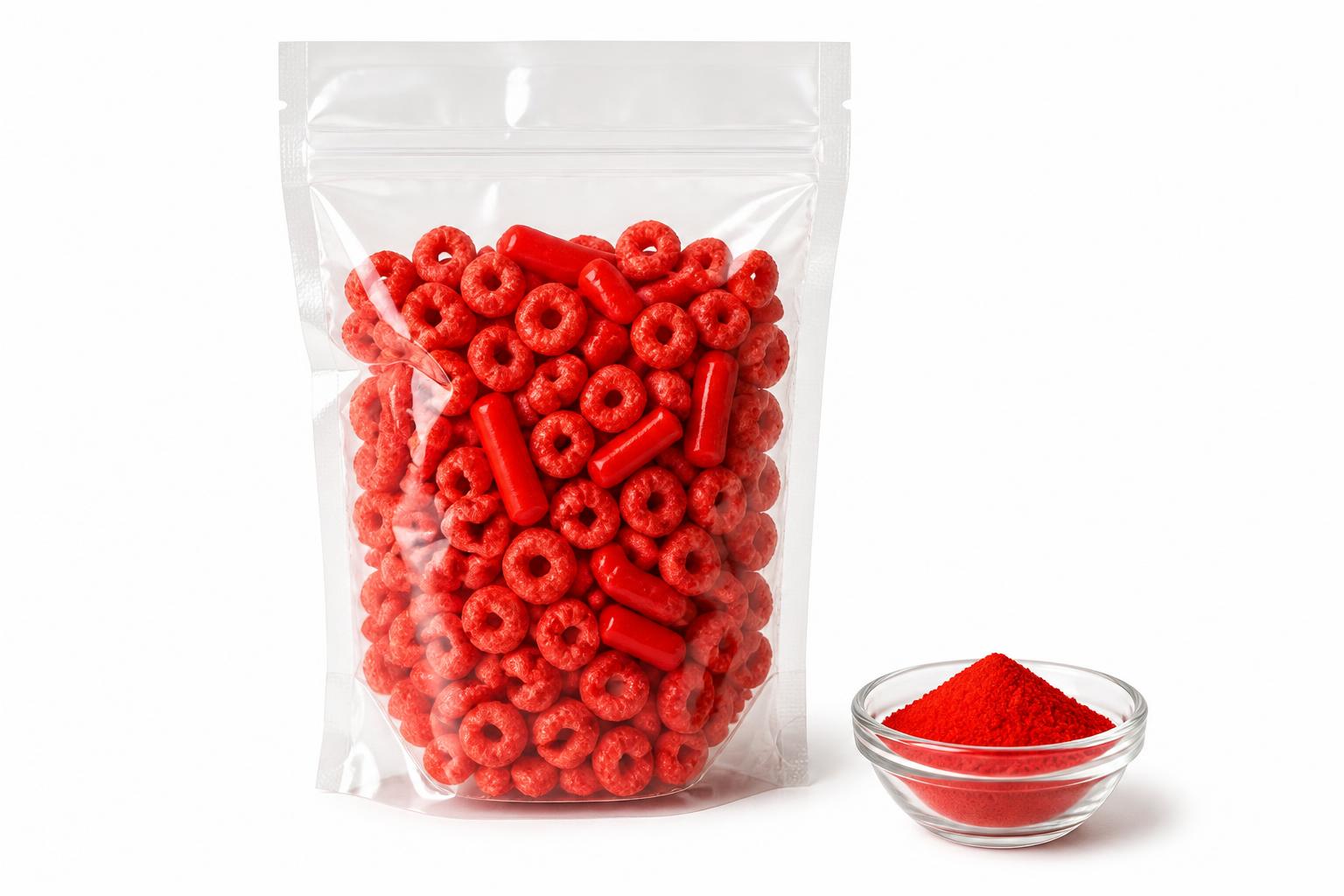
Red 40 hides under several names, including Allura Red AC, E129 and Red 40 Lake. Learn how to spot it on labels, what the research says, and where US and EU rules stand.
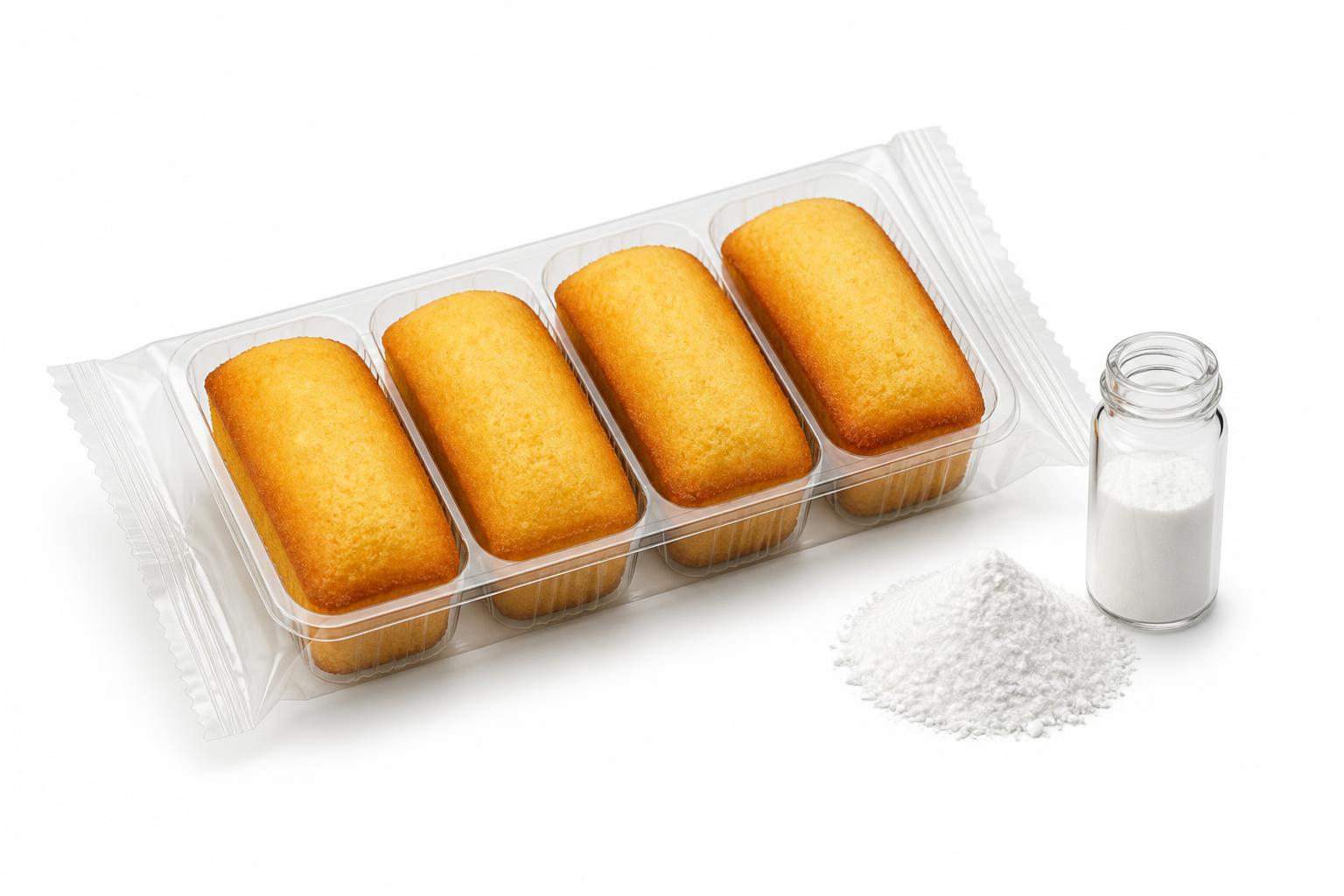
Propylparaben is a preservative banned in EU foods but still found in US baked goods and packaged snacks. Here is what the research says and how to spot it.
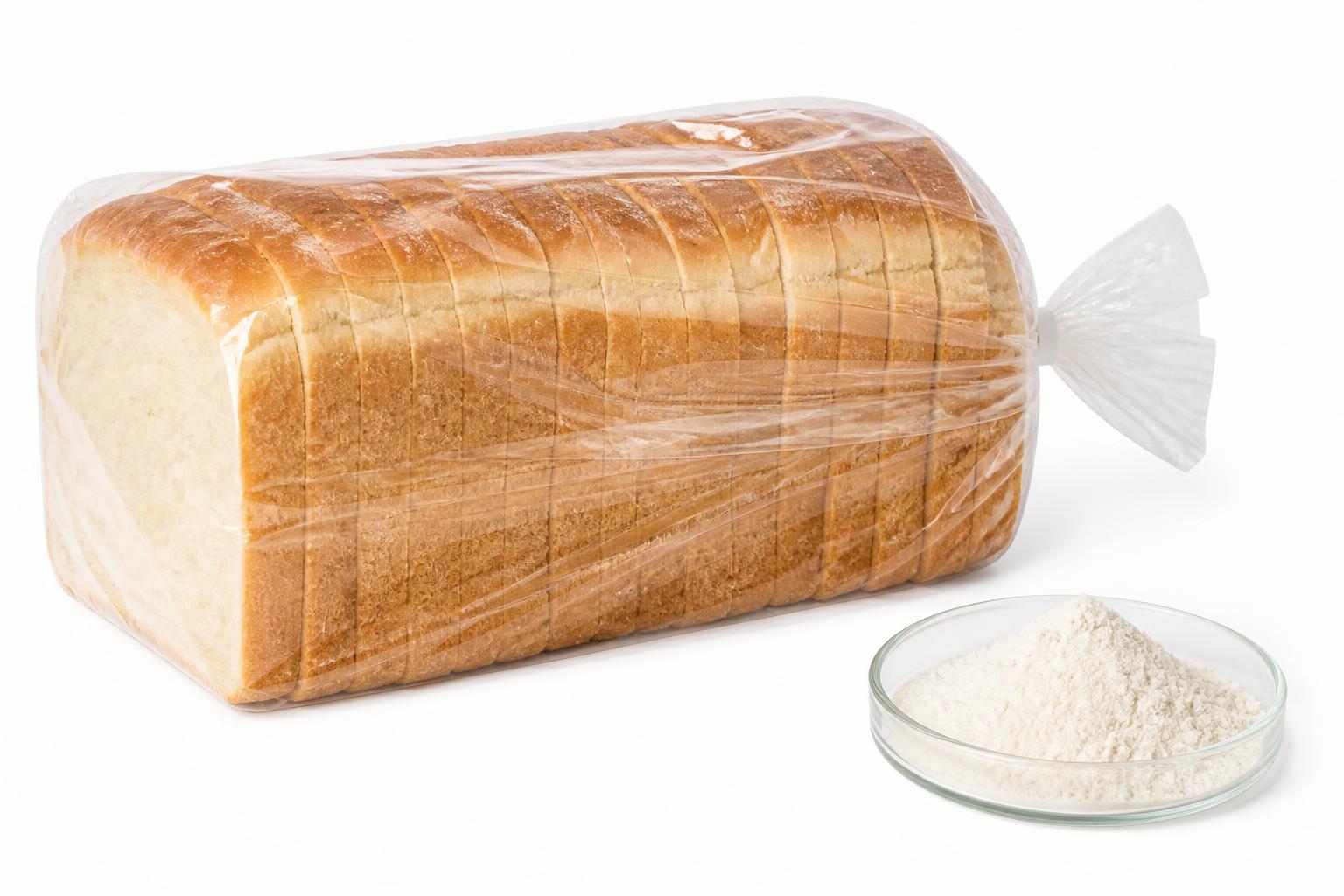
Azodicarbonamide is a dough conditioner found in many US breads but banned in Europe. Here is what it is, why it matters, and how to spot it on labels.
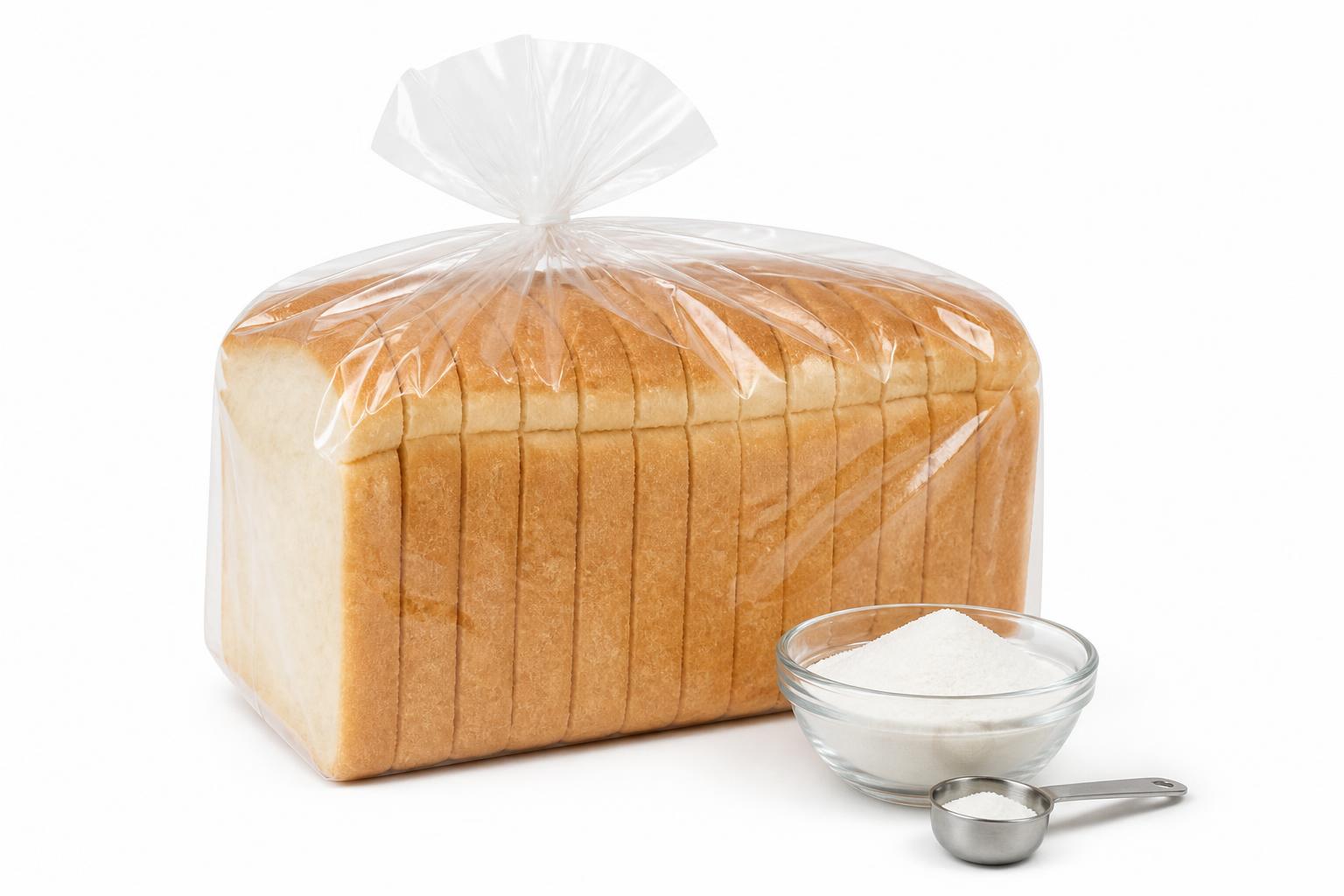
Potassium bromate is still legal in US bread but under FDA review. Learn what bromated flour means, which breads may use it, and how to spot bromate-free loaves.
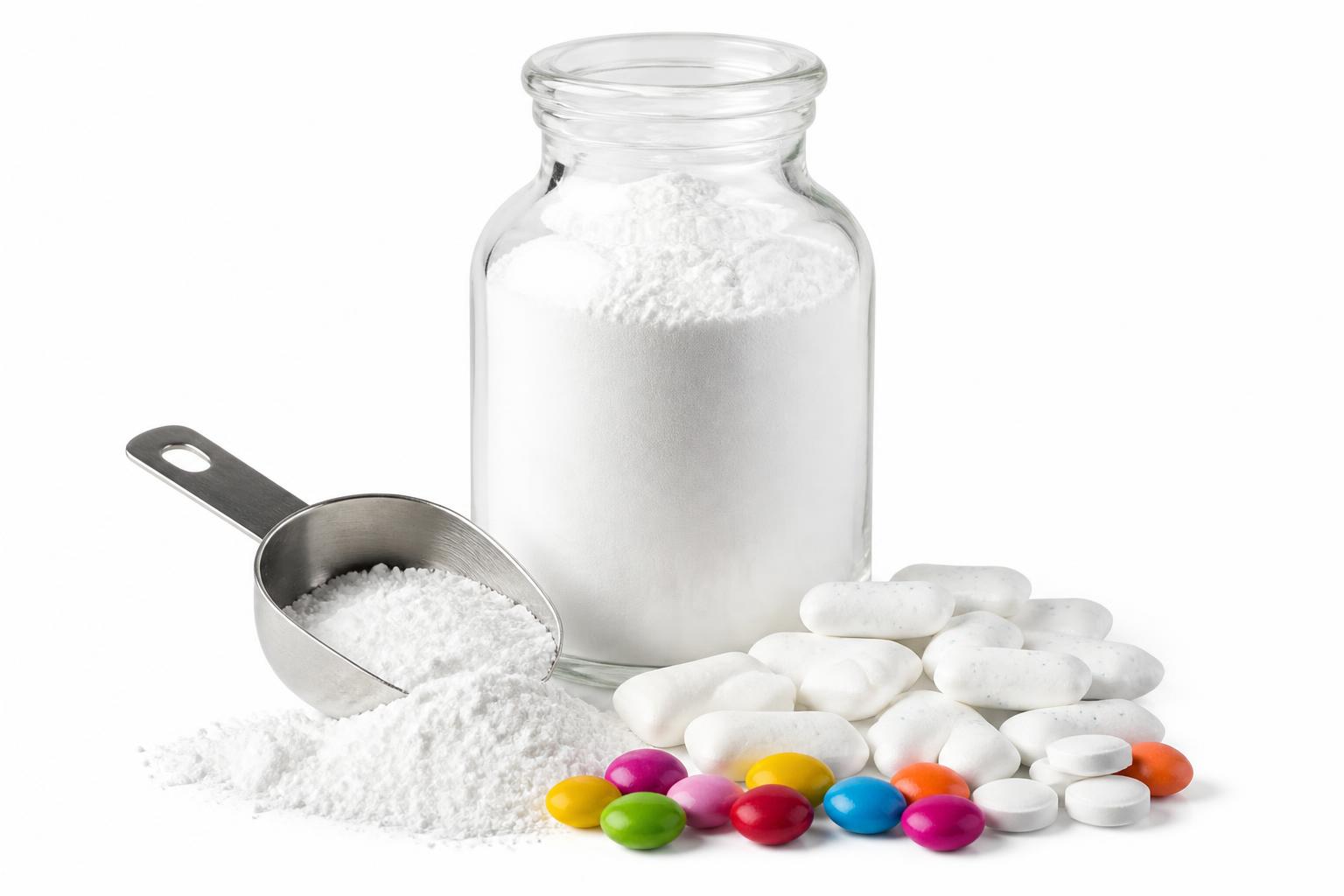
Titanium dioxide is a whitening additive found in candy, gum, and sauces. Here is what the science says, why Europe banned it, and how to spot it on US labels.