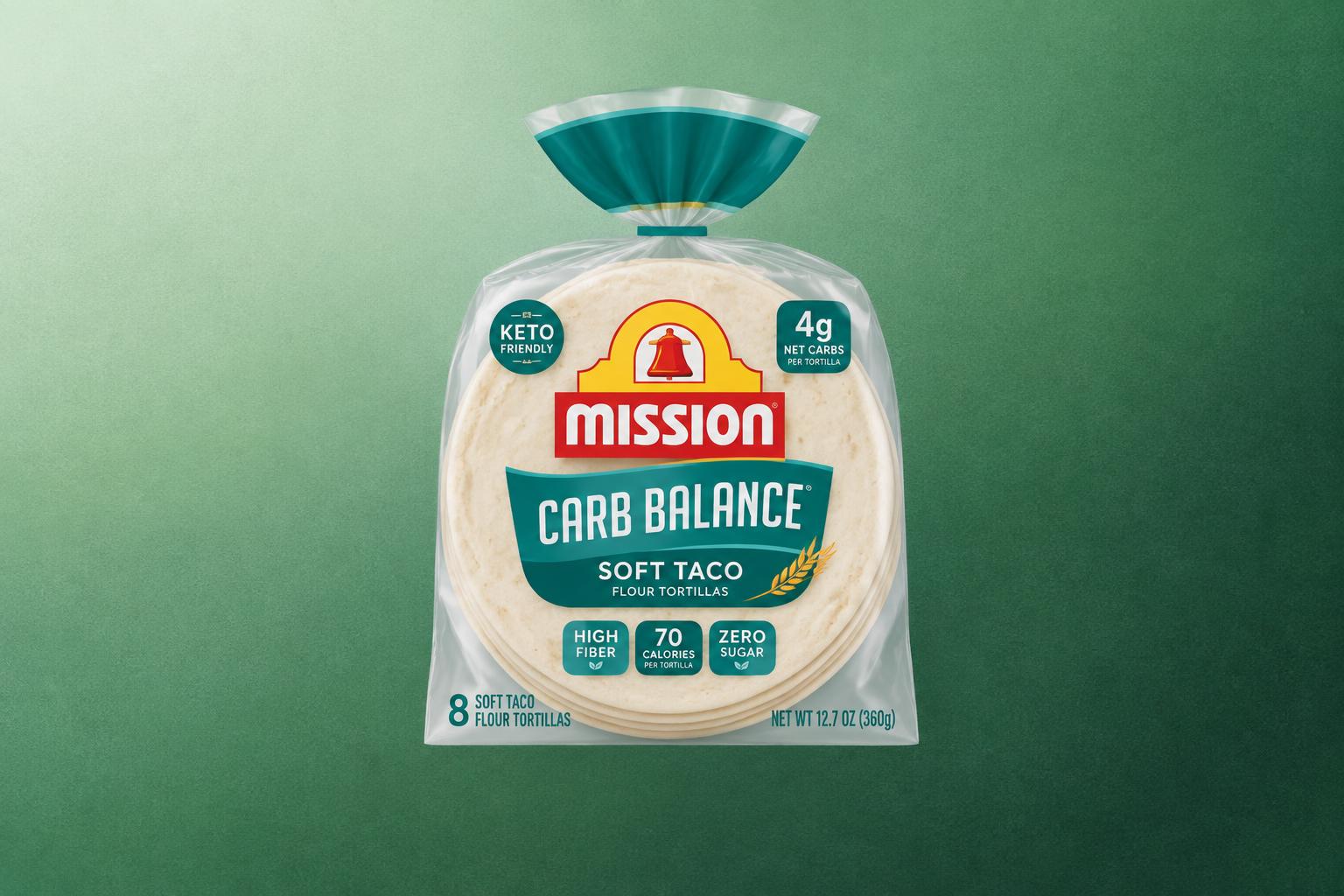
6 min read
Net carbs vs total carbs: how to read the US Nutrition Facts label
Total carbs is the number the FDA requires on the label. Net carbs is a marketing math result. Here is what each means and how to calculate net carbs yourself.
Practical, research-aware guides to reading food labels, understanding ingredients and additives, comparing food scanner apps, and choosing healthier grocery products.
Total carbs is the number the FDA requires on the label. Net carbs is a marketing math result. Here is what each means and how to calculate net carbs yourself.
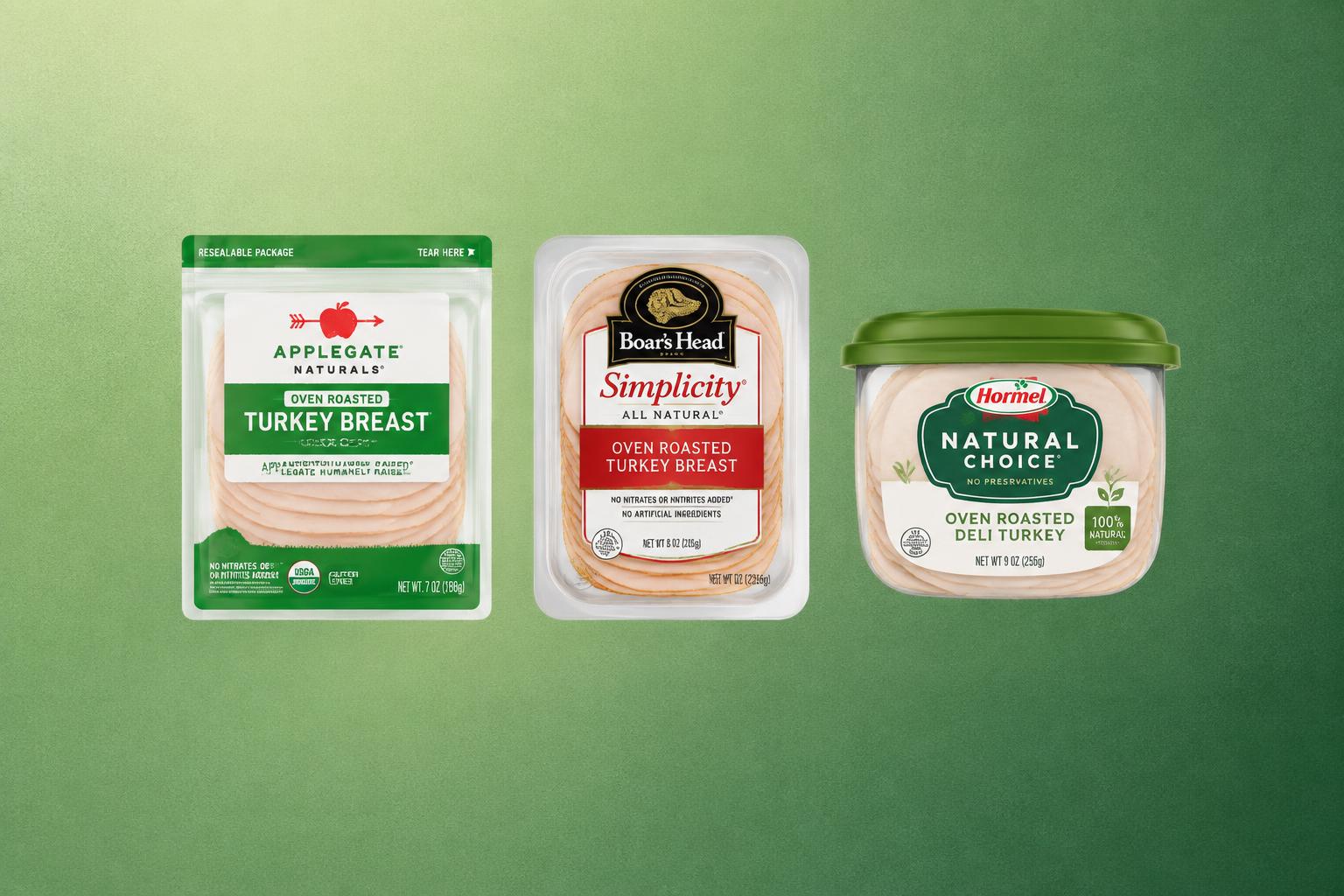
Six widely sold US deli meats ranked by estimated label score, with practical cues on sodium, added sugar, additives, and processing to help you compare sliced meats quickly.
Modified food starch shows up in yogurt, soups, frozen meals, and snacks. Here is what it actually is, what regulators say, and how to read it on US labels.
Sesame oil is a seed oil, but it is mostly unsaturated fat and usually pressed, not solvent-extracted. The verdict on inflammation, calories, toasted oil and labels.
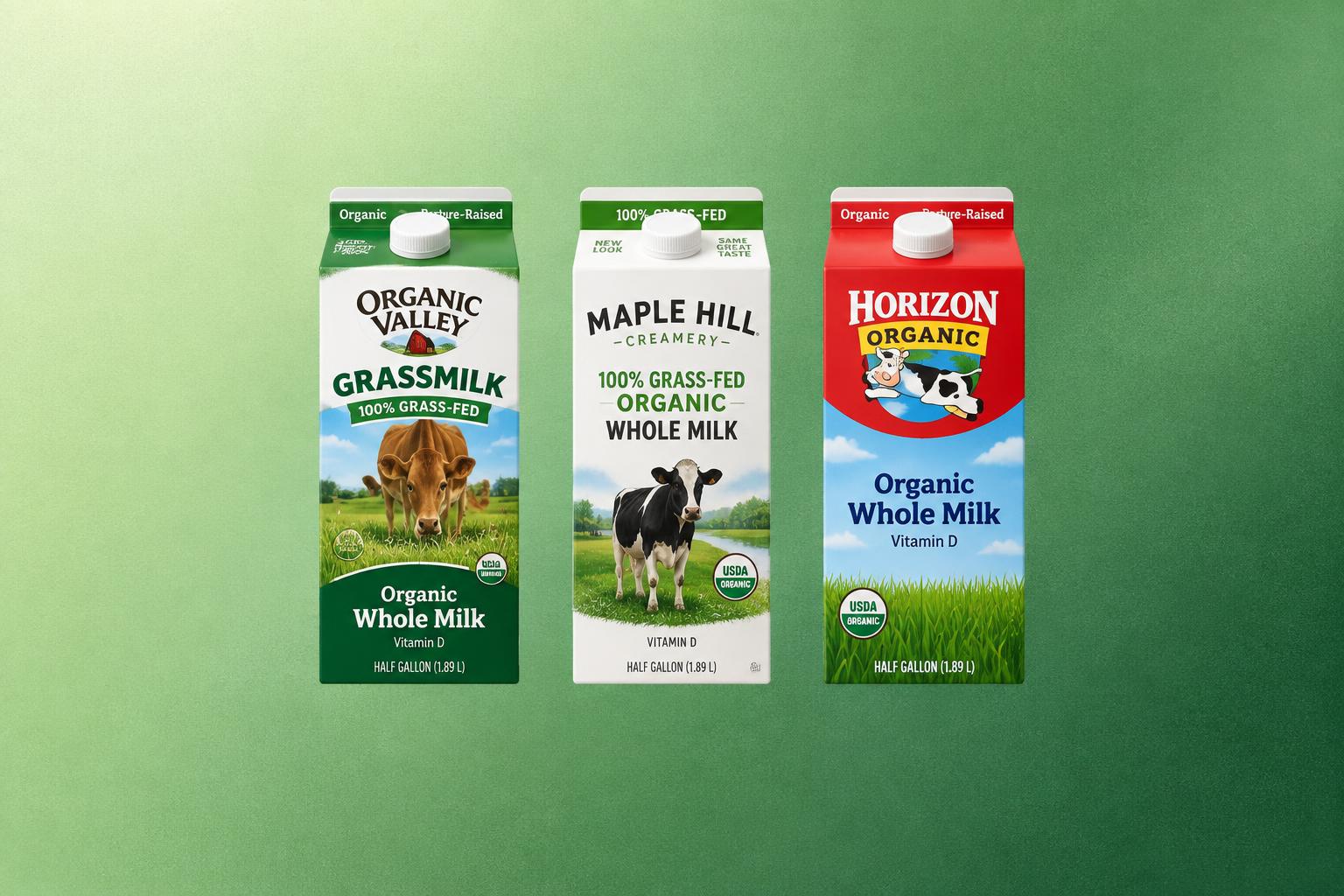
Six plain cow's milks from Walmart, Costco, Target, and Whole Foods, ranked by an editorial label score, plus the label cues that separate one carton from the next.
Sucralose and aspartame both sweeten diet sodas, yogurts, and gum, but they differ in chemistry, heat stability, and open research questions. Here's how to compare them on the label.
Aspartame and stevia both sweeten diet sodas, yogurts, and drink mixes. Here is how they differ, what regulators and studies actually say, and how to read the label.
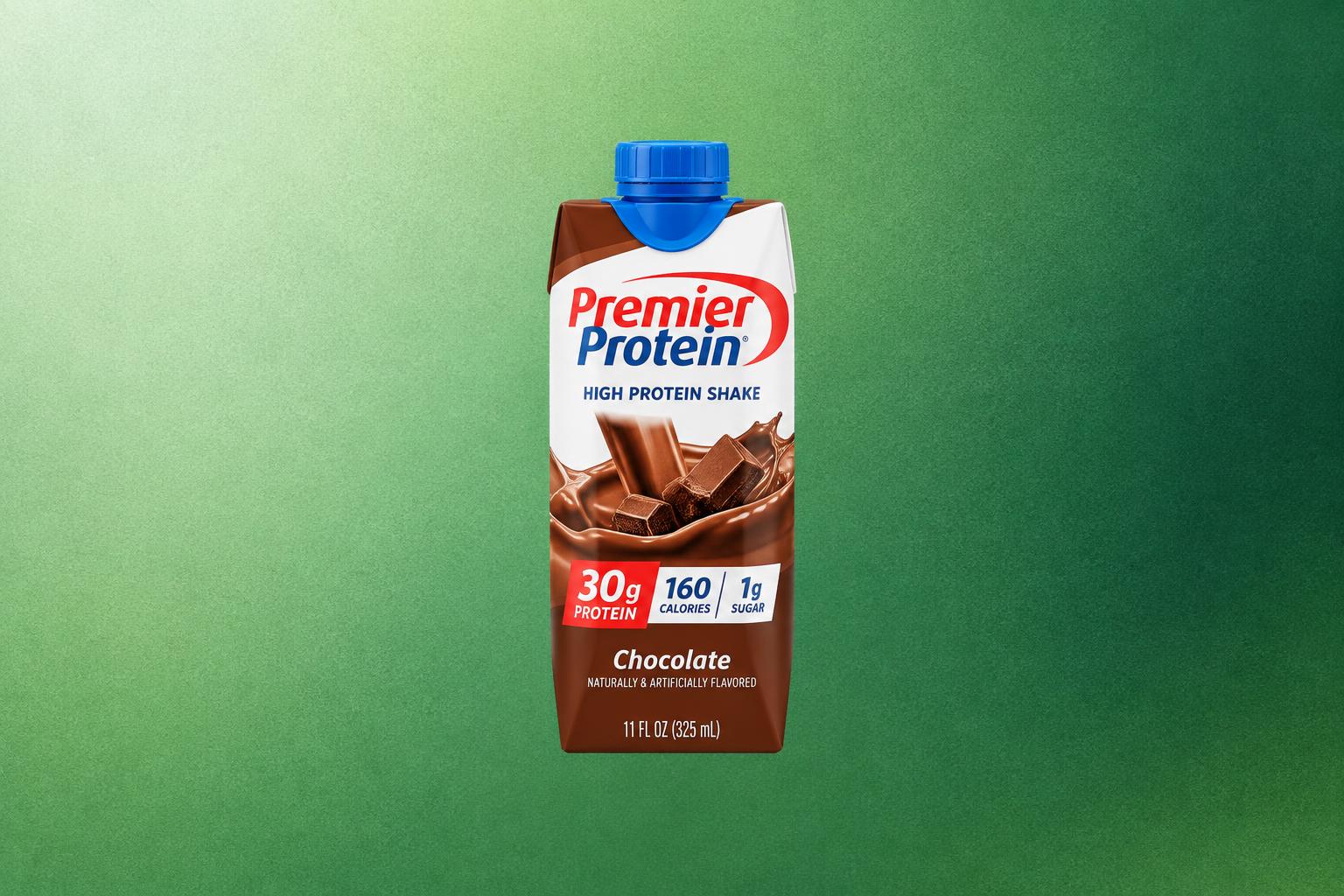
Most ready-to-drink and powdered protein shakes land in NOVA's ultra-processed group. Here is why, what the science can and can't tell you, and how to read the label.
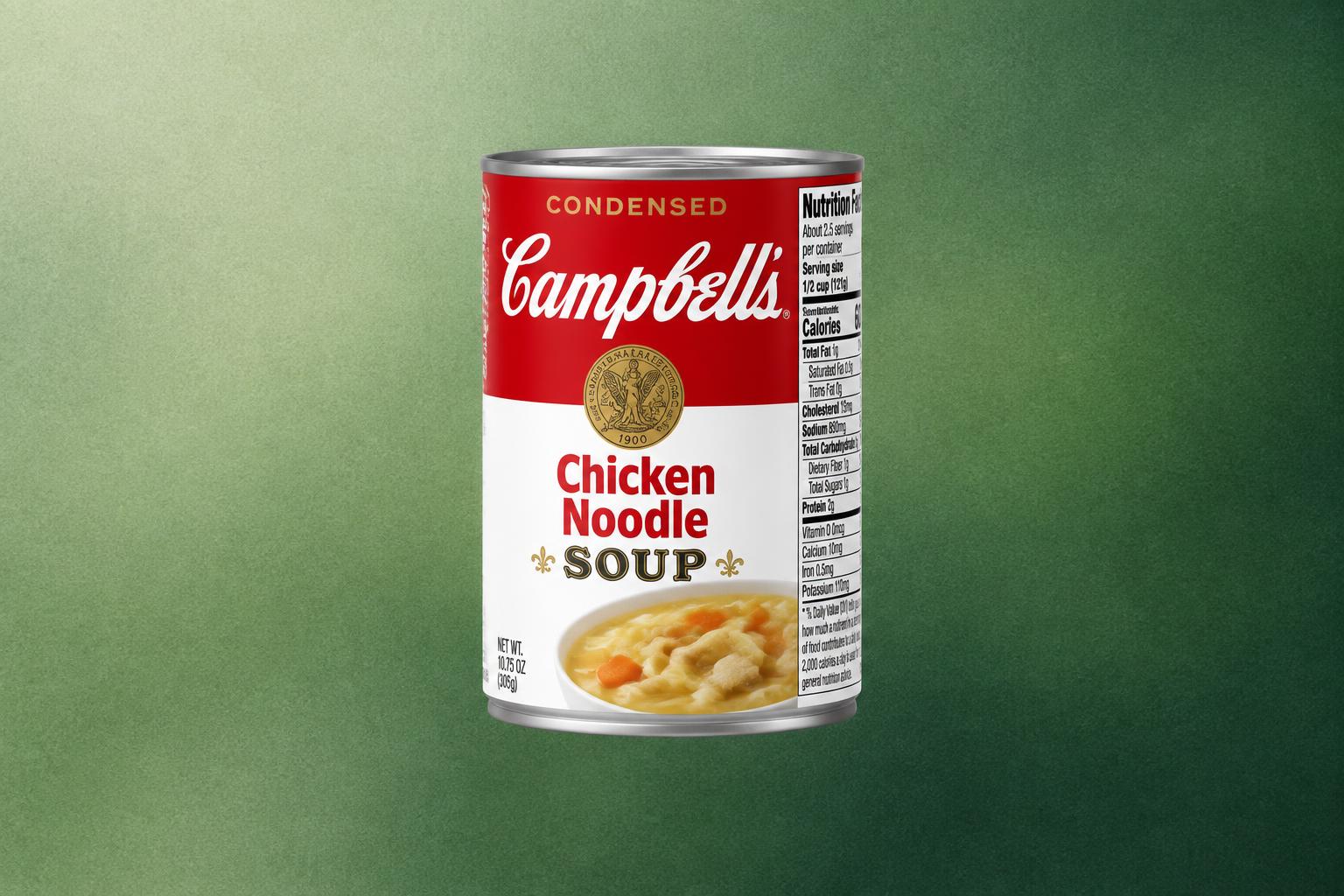
Sodium hides behind names like "sodium phosphate" and in foods that never taste salty. Here is how to read the Nutrition Facts panel and ingredient list to find it in seconds.